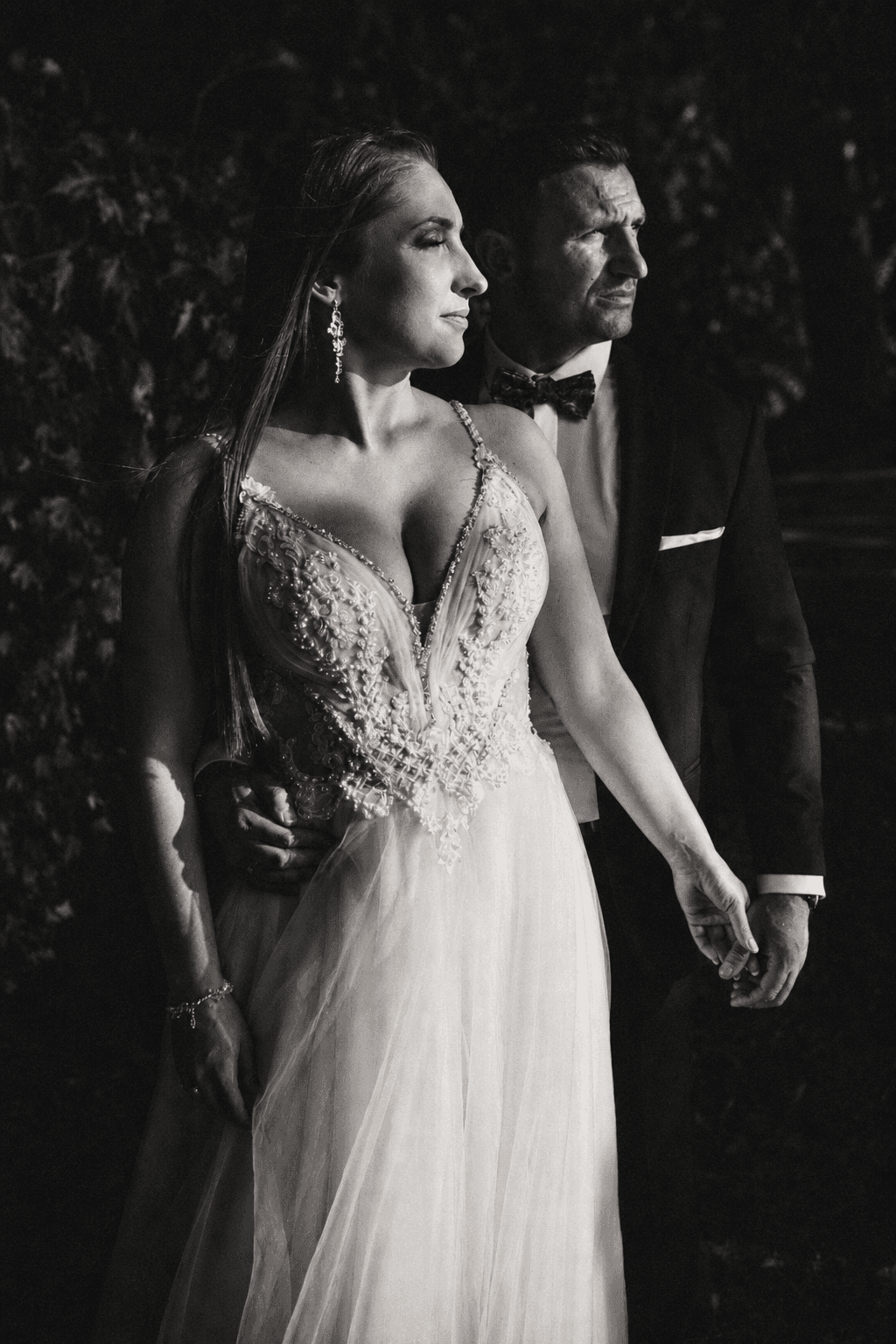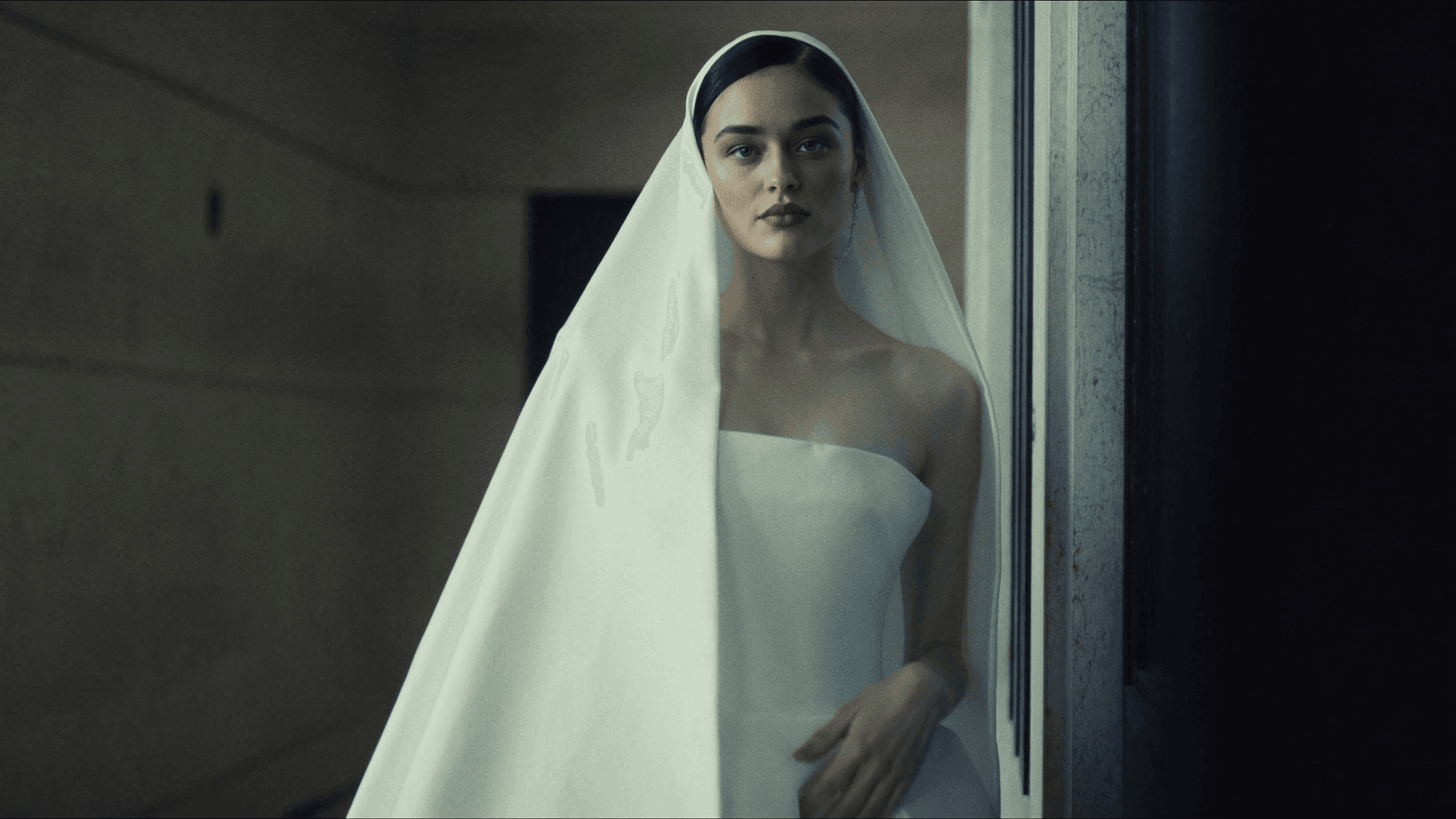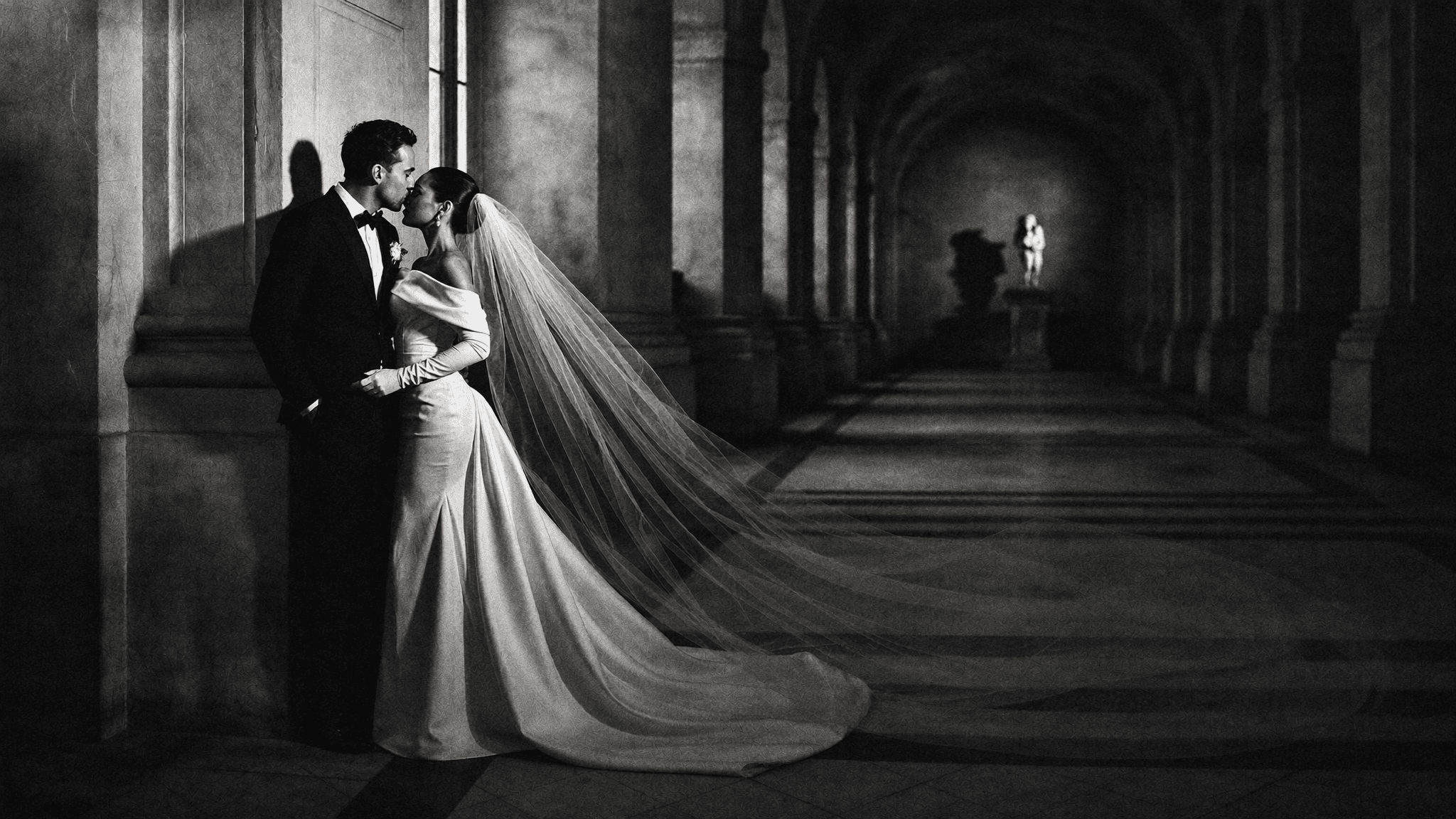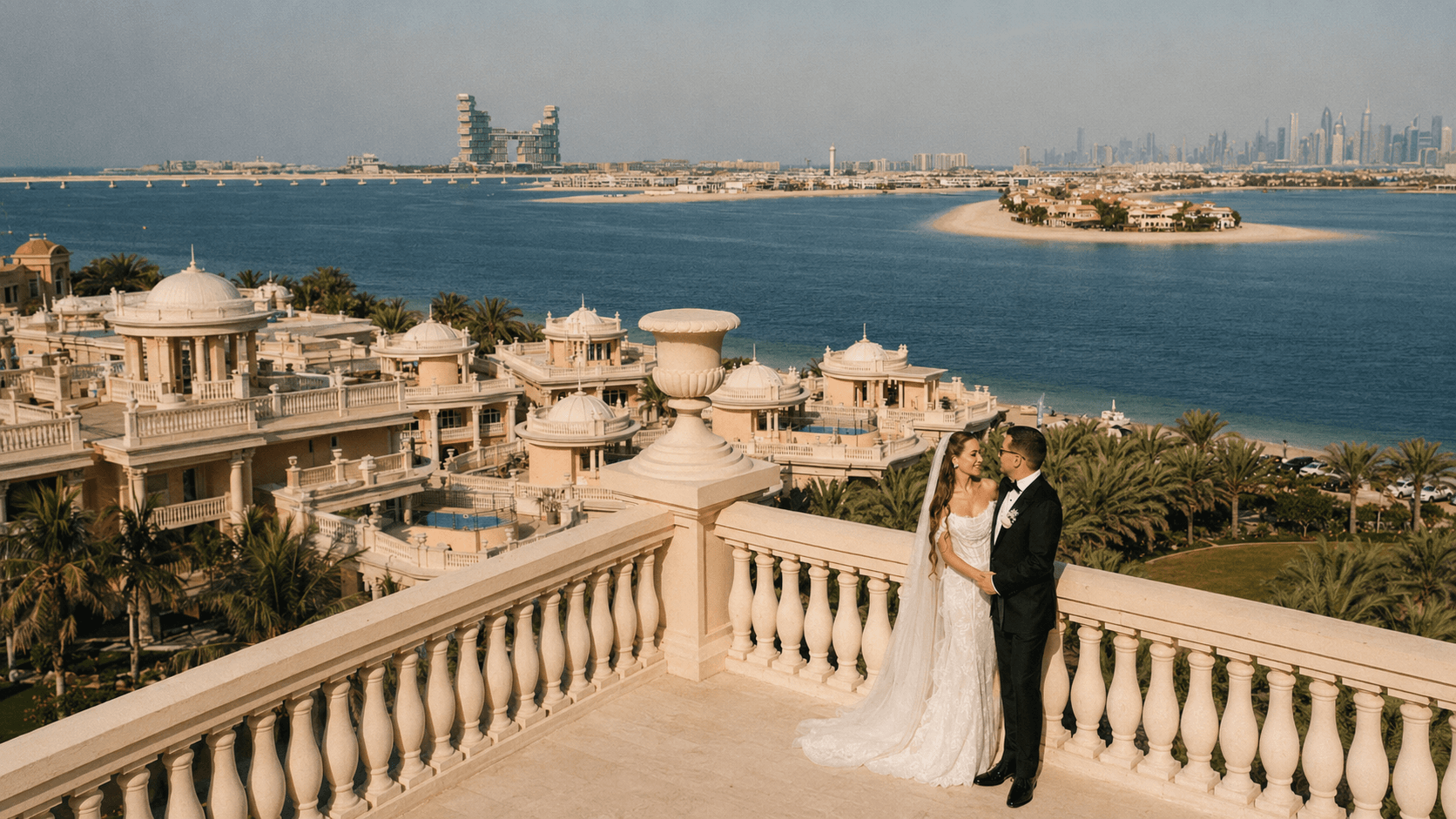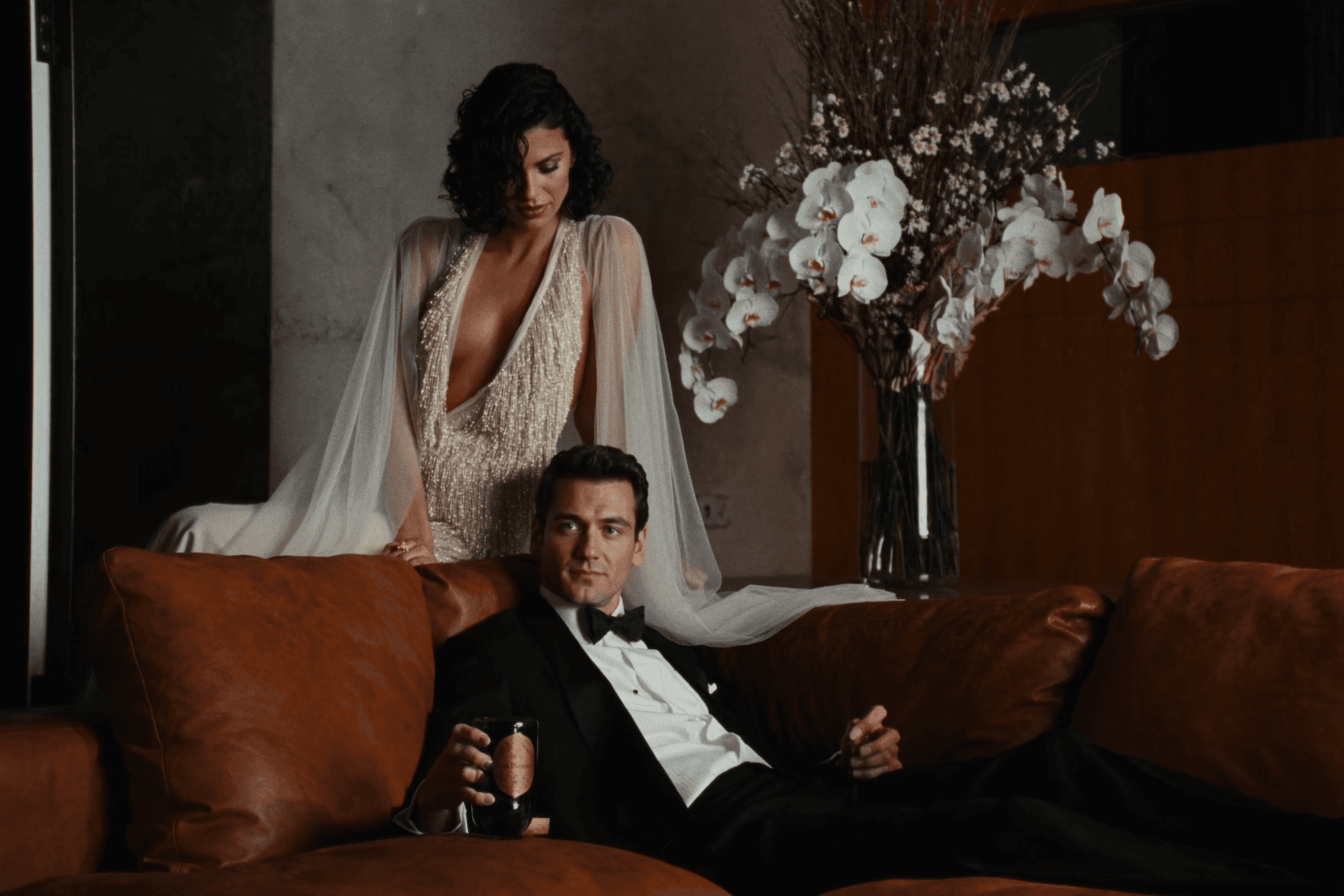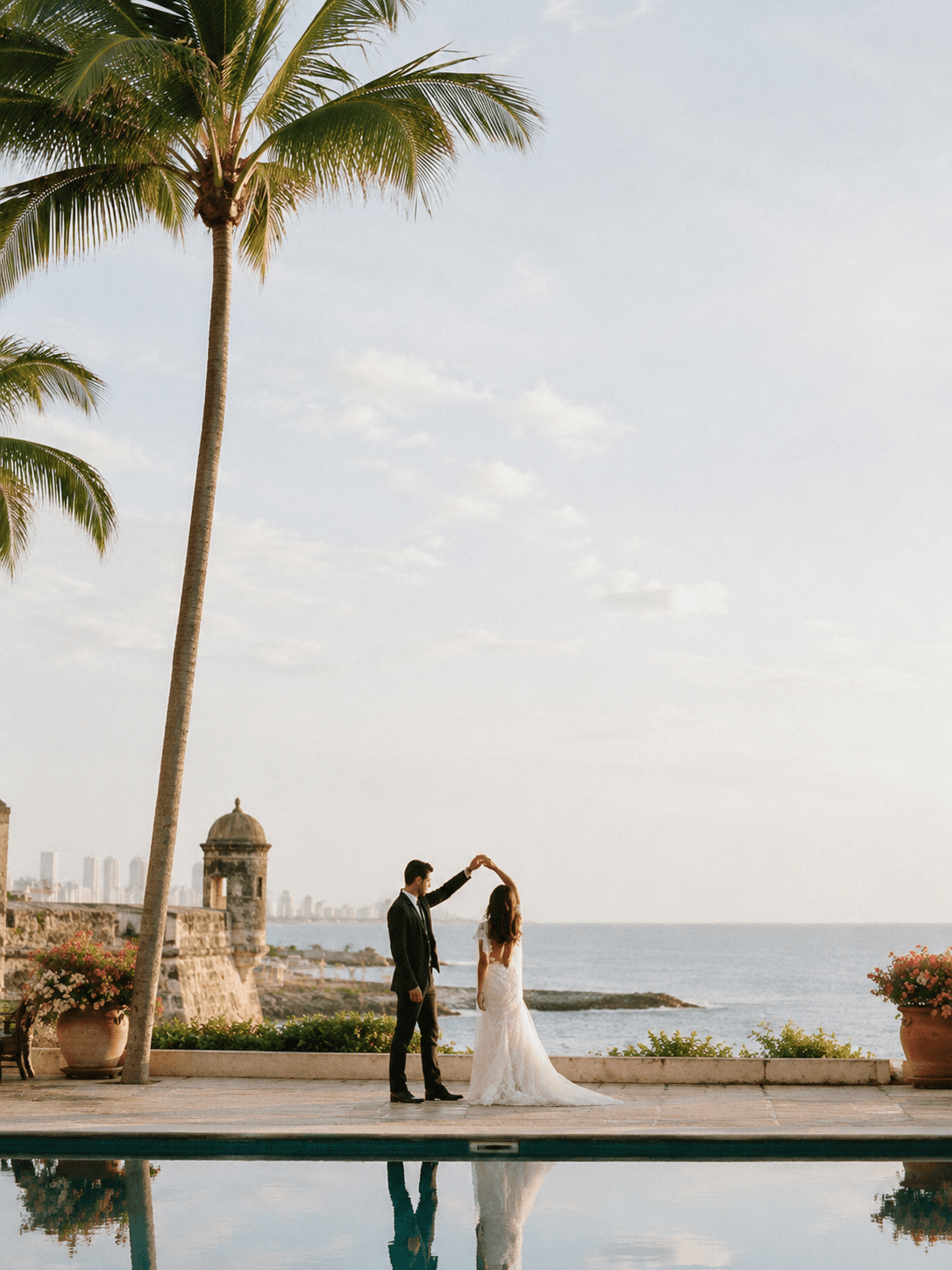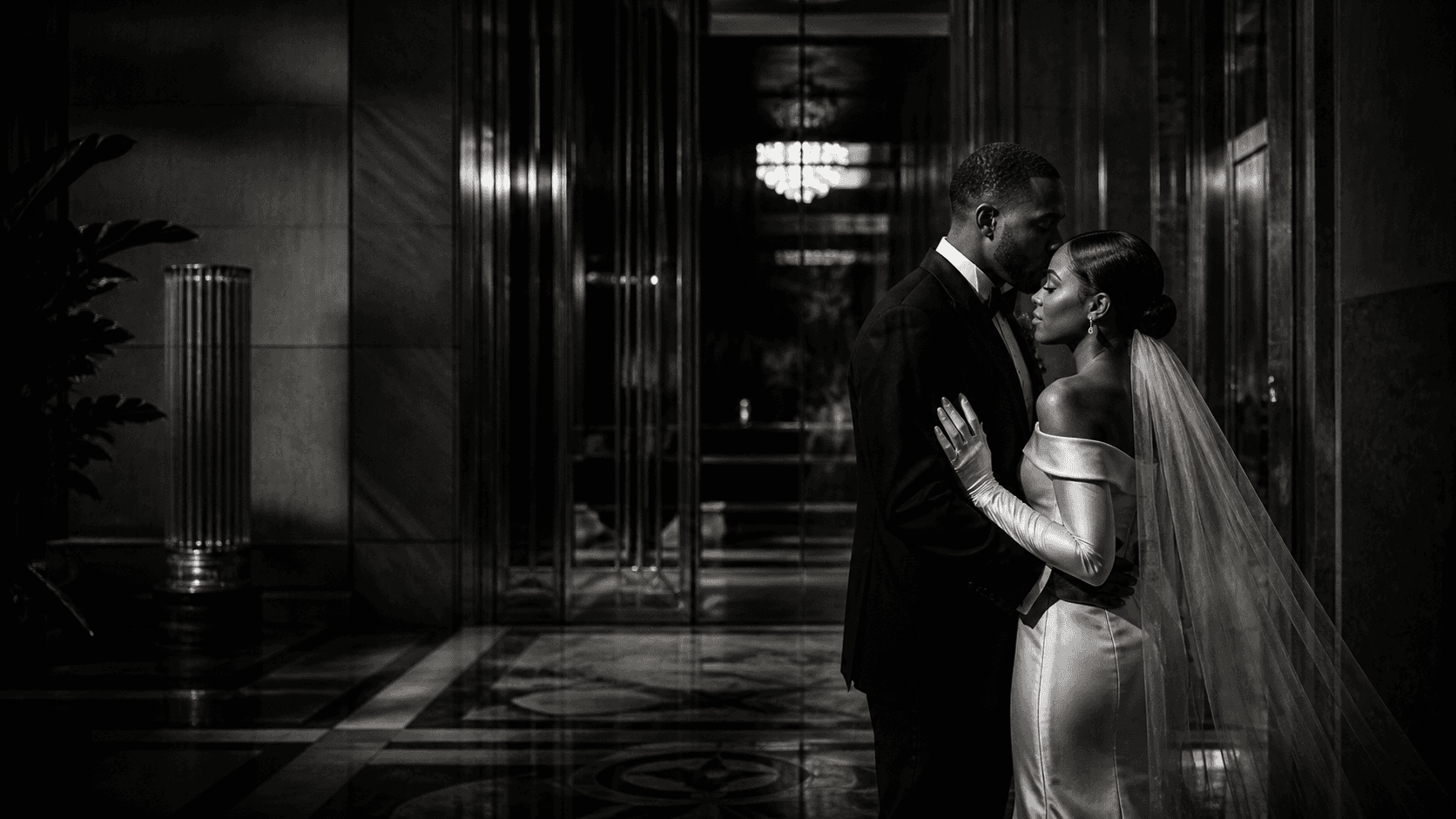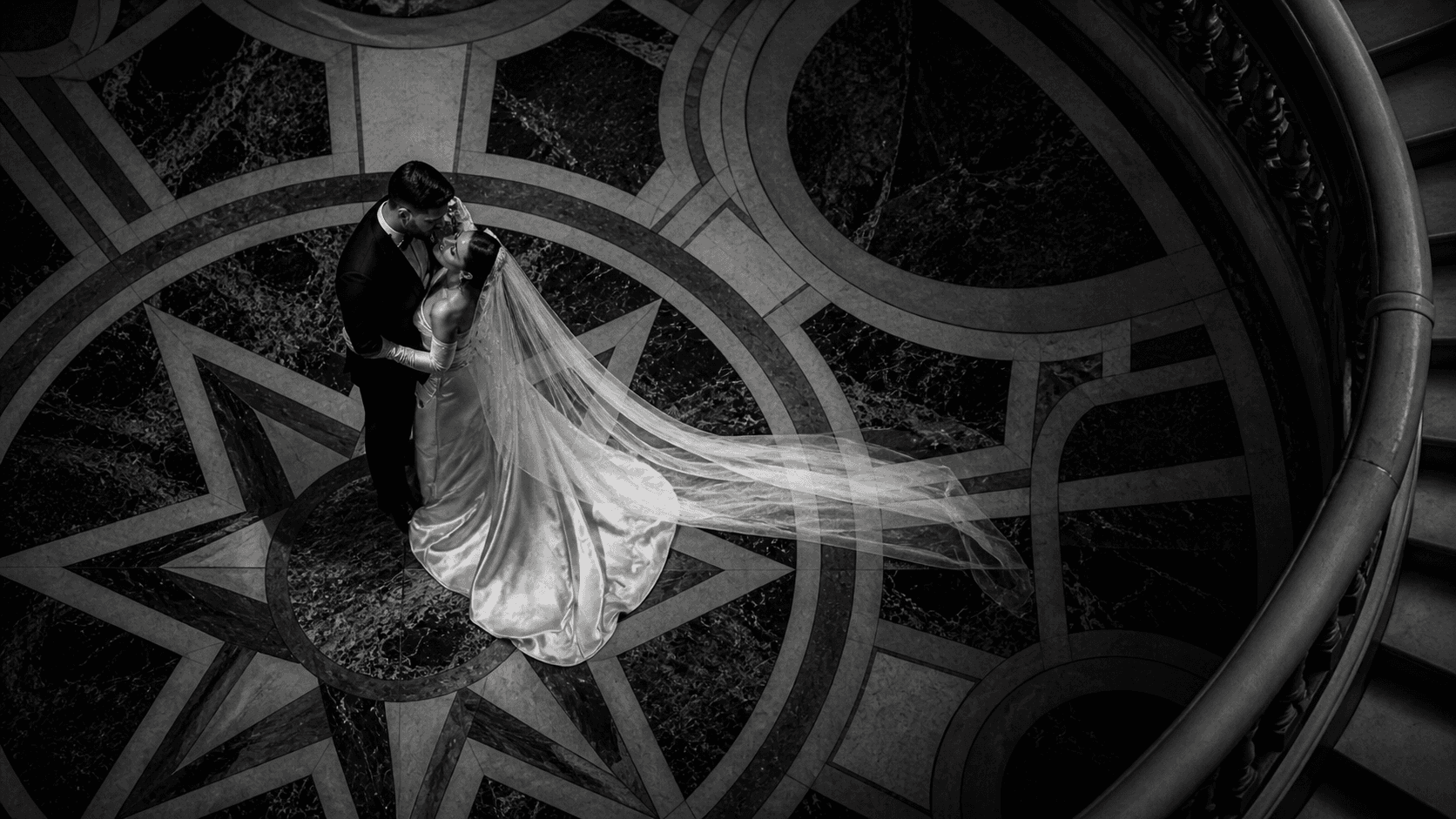
If you have spent any time scrolling wedding photography in the last five years, you know the look: over-warm highlights, crushed blacks, faded shadows, skin tones shifted orange. It was everywhere. It came from a specific set of presets, spread across the industry, and for a while it was simply "the wedding photography look."
Couples in 2026 are actively moving away from it. The number one editing note I hear in consultations right now is some version of: "I don't want it to look too filtered." True-to-life color editing — accurate skin tones, clean whites, colors that match what people actually wore and saw — is the dominant request, and it is not a passing moment.
What True-to-Life Color Actually Means
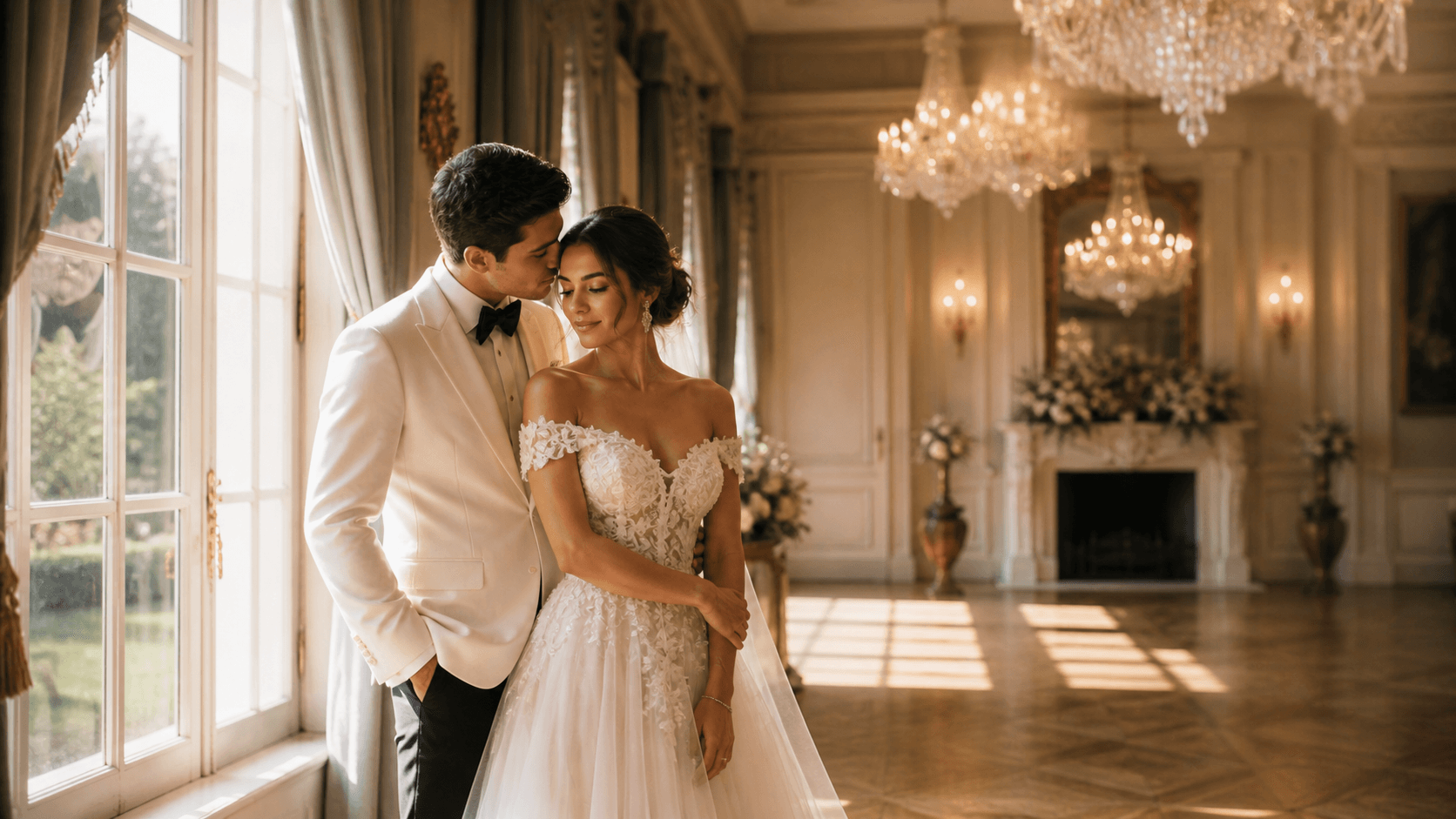
It means your dress looks the color it actually was. It means your skin looks like your skin — not warmer, not cooler, not shifted to fit a preset palette. It means the greens outside the venue window are green, the stone walls are the color of stone, and the candlelight in the reception hall looks like candlelight rather than a general amber wash applied in post.
It does not mean flat, cold, or clinical. Good natural editing still has intention — shadow depth, highlight handling, skin-tone separation. It just does not have a signature that competes with the people and the moment.
Why It Ages Better
Look at wedding photographs from fifteen years ago that were heavily processed in whatever the style of that moment was. You can date them immediately. The processing is a timestamp. True-to-life images, by contrast, are anchored to the actual light of the actual day — and that does not date in the same way. The light at golden hour in your venue was what it was, and a clean, accurate rendering of it will look as good in 2040 as it does in 2026.
The photographs that stand the test of time are the ones where nothing is competing with the memory. No preset. No color grade. Just the day, rendered accurately.
Film and Natural Editing Are Not the Same Thing
One clarification worth making: film-inspired editing — warm grain, organic highlights, analogue tonal response — is a distinct approach, and it can absolutely be "natural" in the sense of not being aggressively processed. Film has its own color signature, but it is a coherent and beautiful one that tends to age well. The aesthetic to avoid is not warmth or grain — it is homogeneity: the look of an algorithmic preset applied uniformly to every image regardless of the actual light.
How to Evaluate a Photographer's Editing
Look at full galleries, not curated portfolios. Look at how skin tones render across different people and different light conditions. Look at what white clothing looks like — does it stay white, or does it shift warm? Look at outdoor daylight shots and indoor reception shots and ask whether the two feel like the same day or like two different presets were applied.
The photographer whose editing feels invisible — where you are looking at the moment, not the processing — is the one whose work will hold up longest.
Destination Wedding Photographer
Medellín · Vancouver · Worldwide