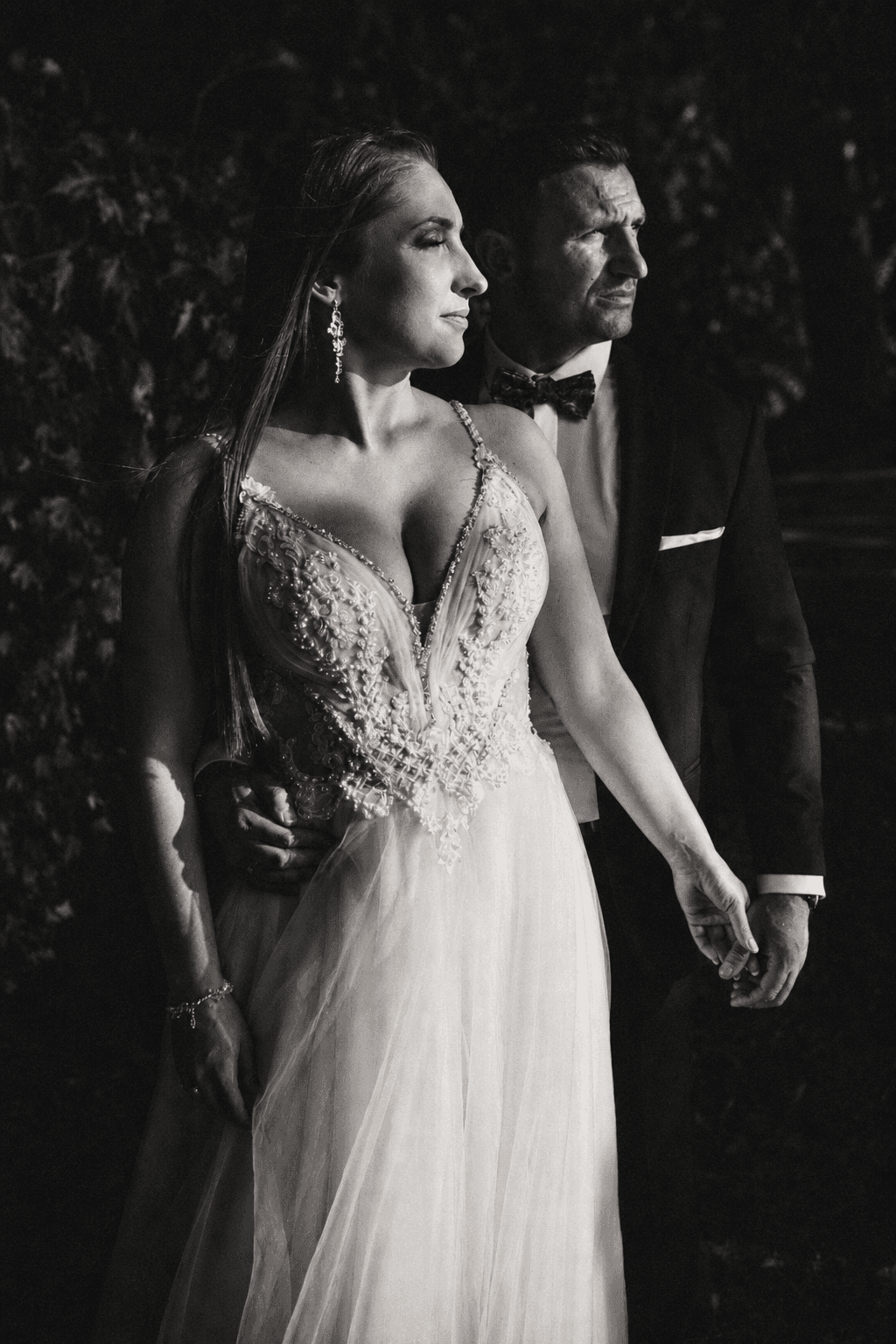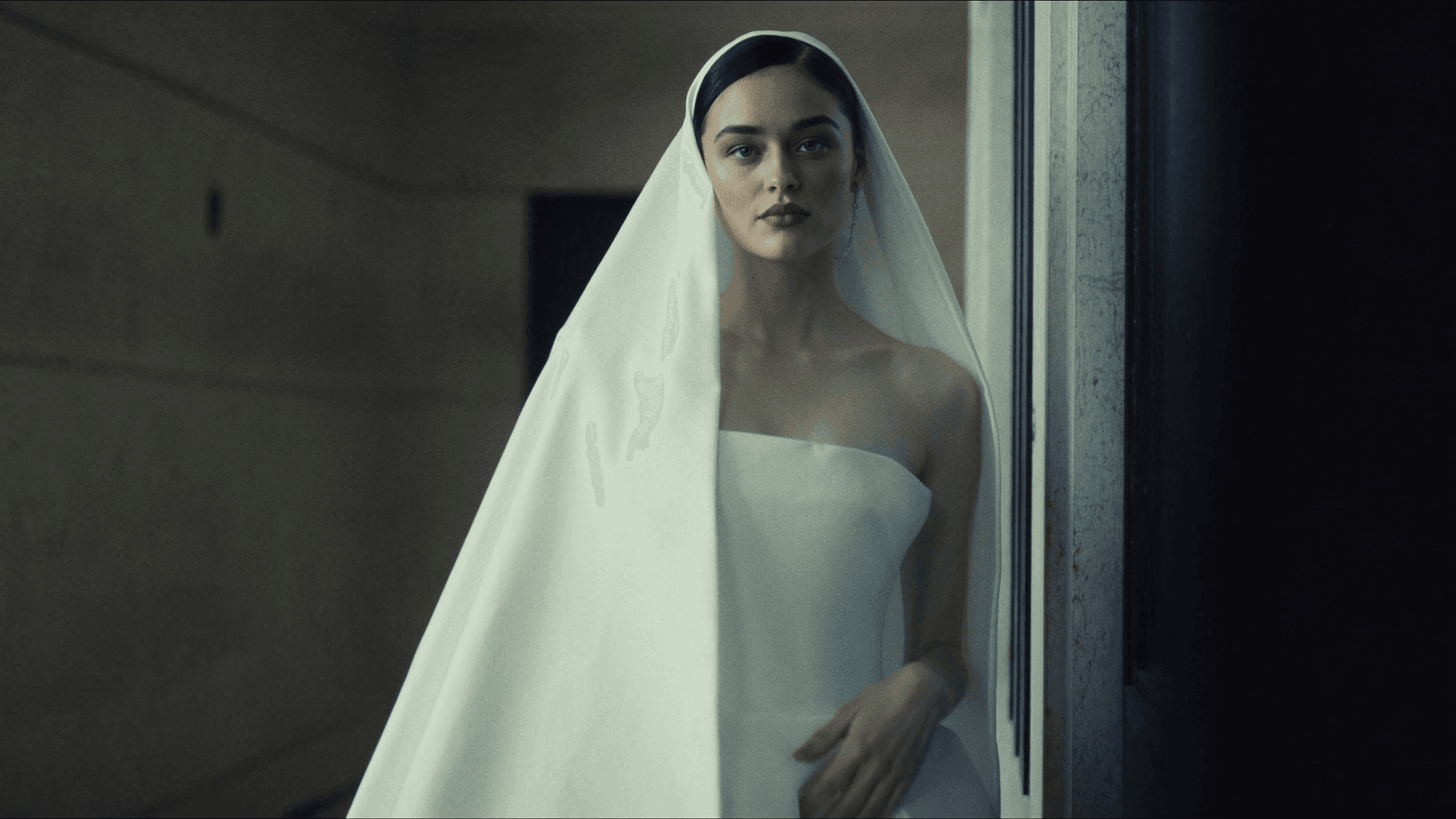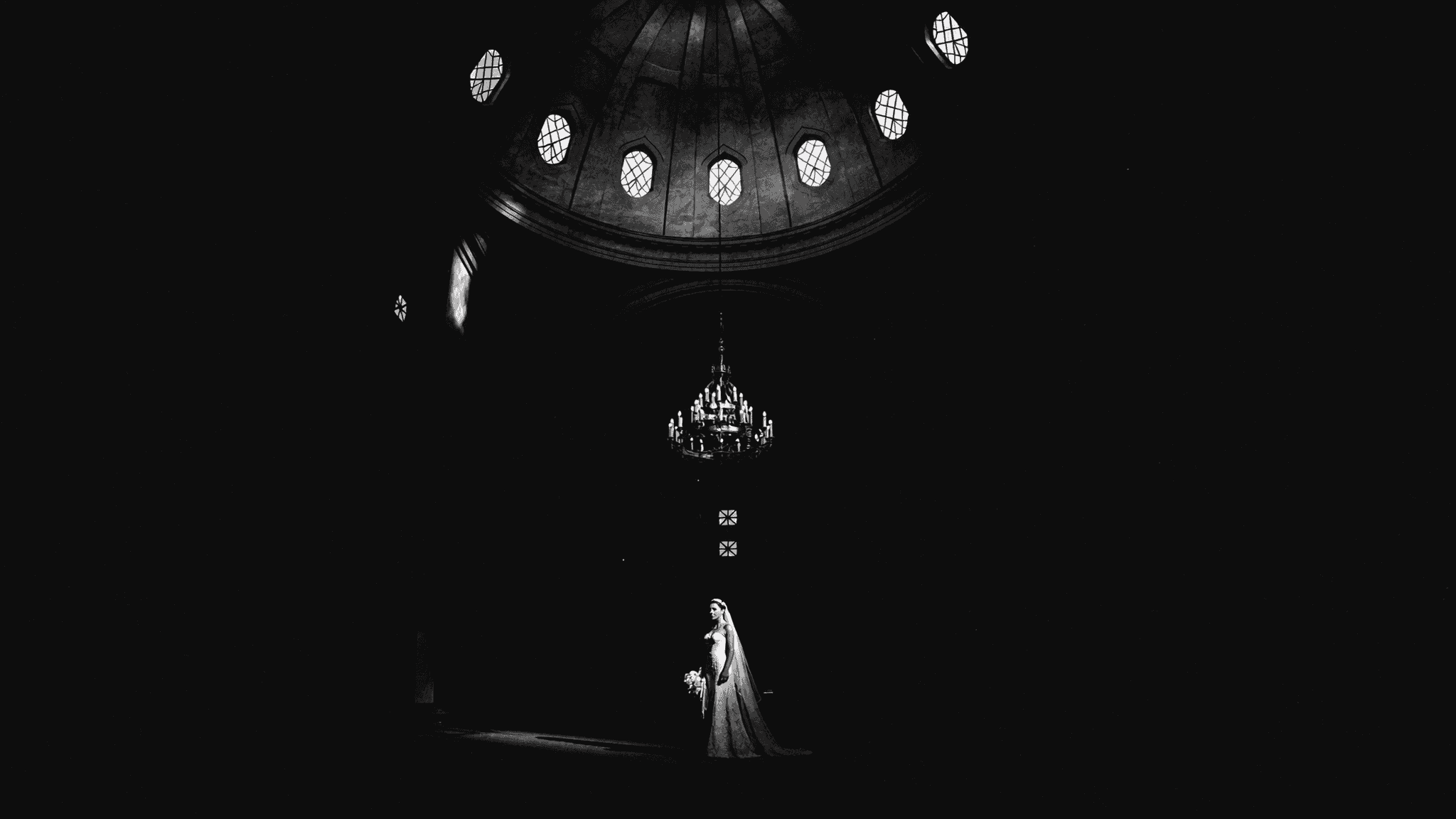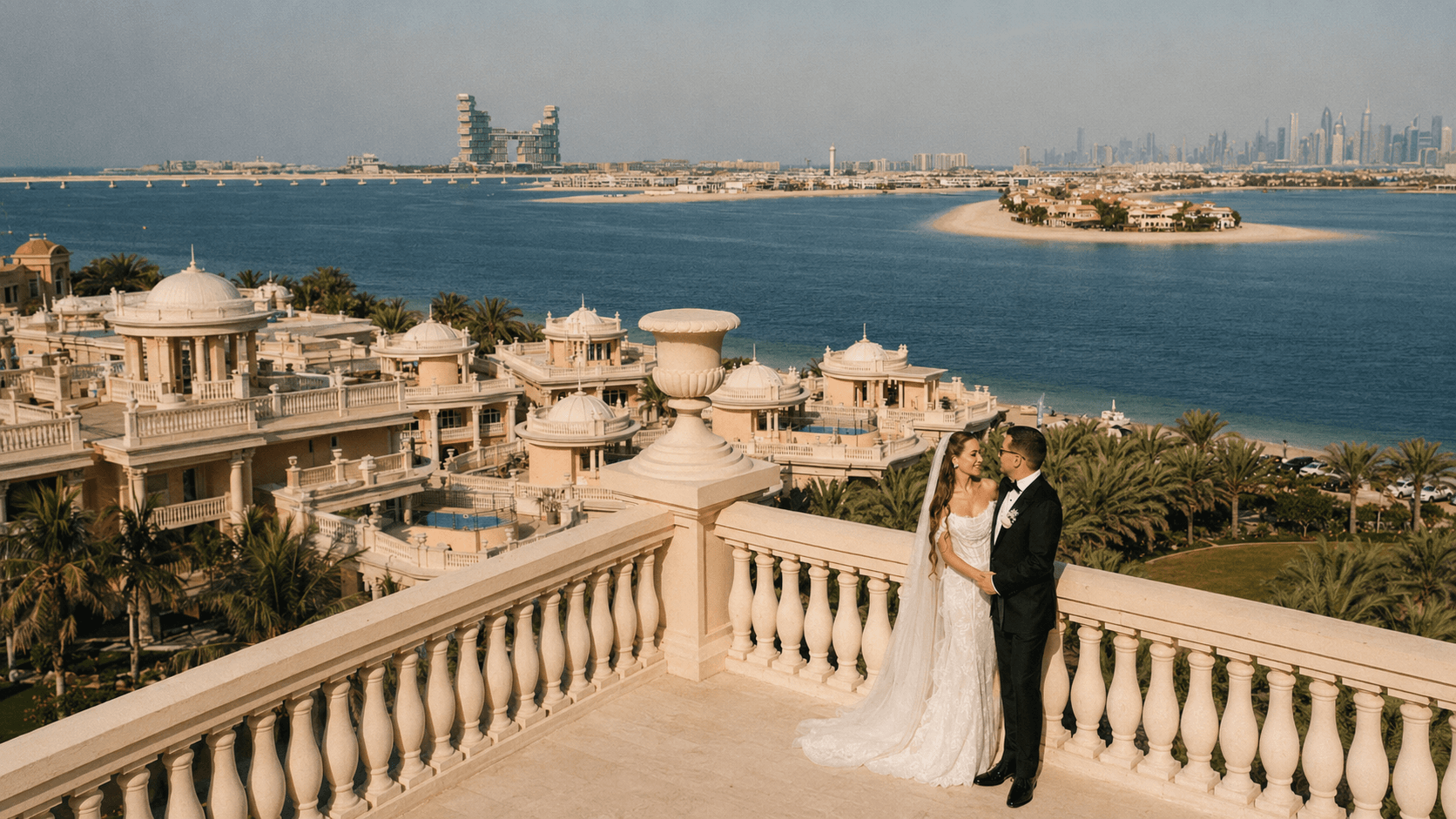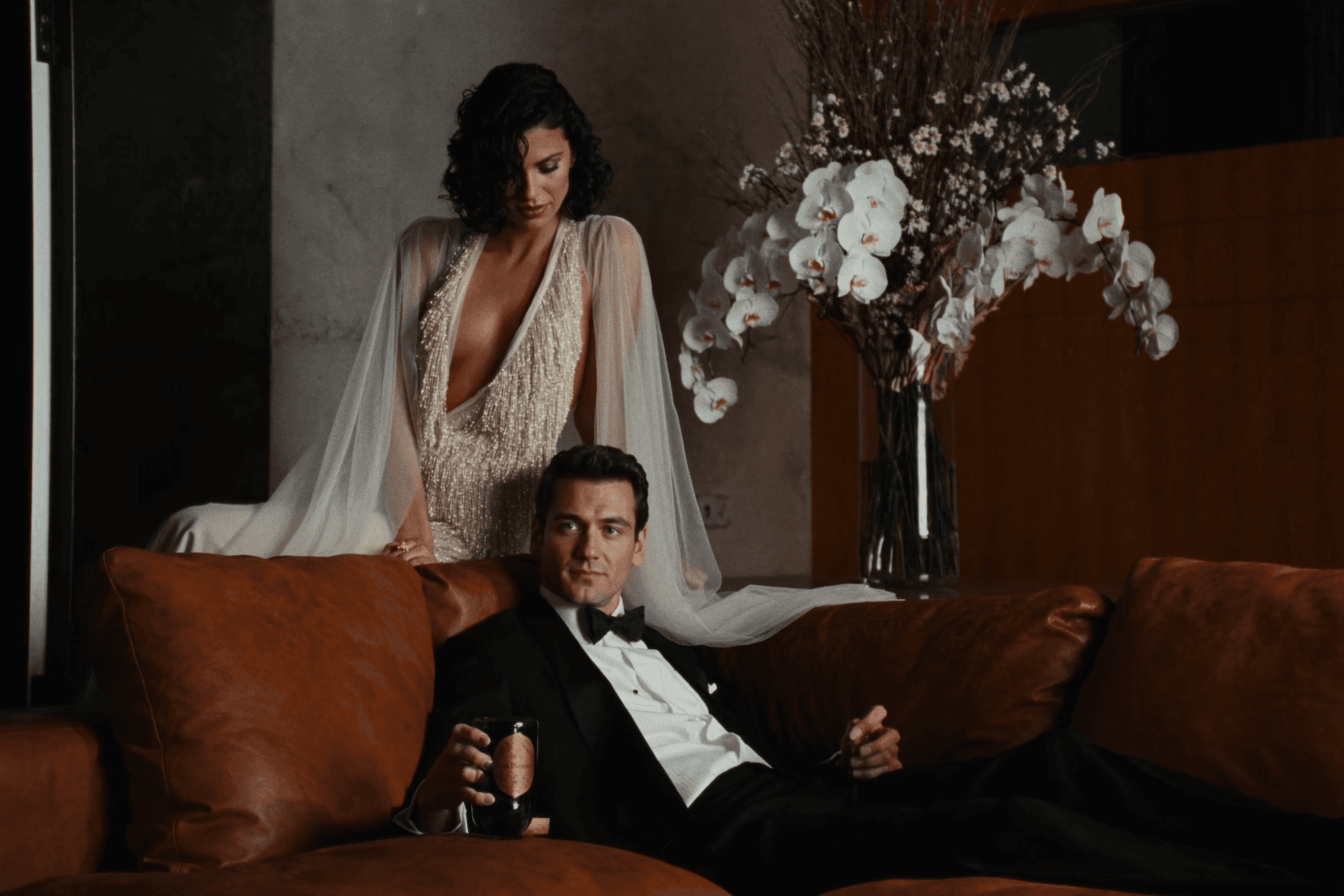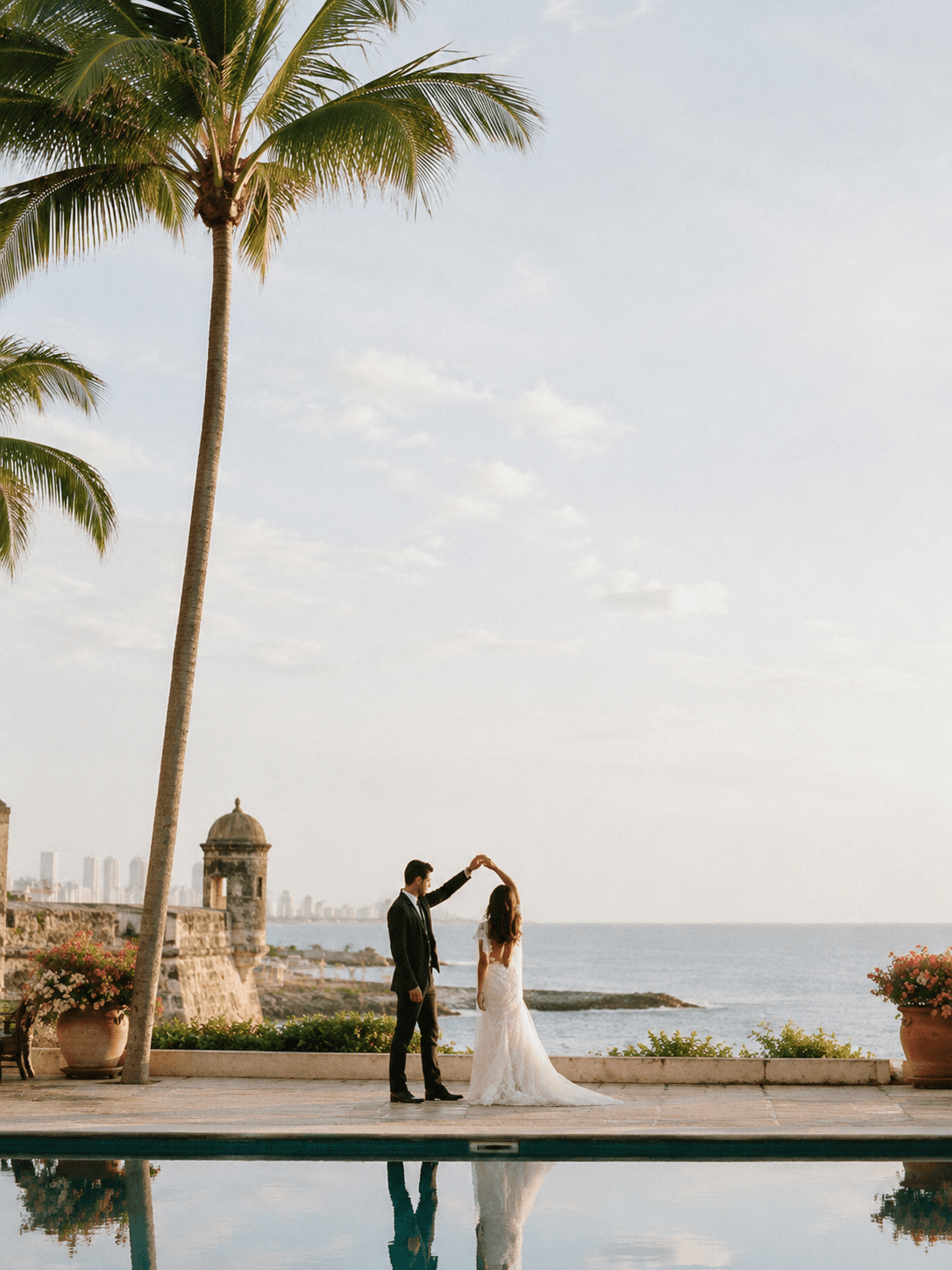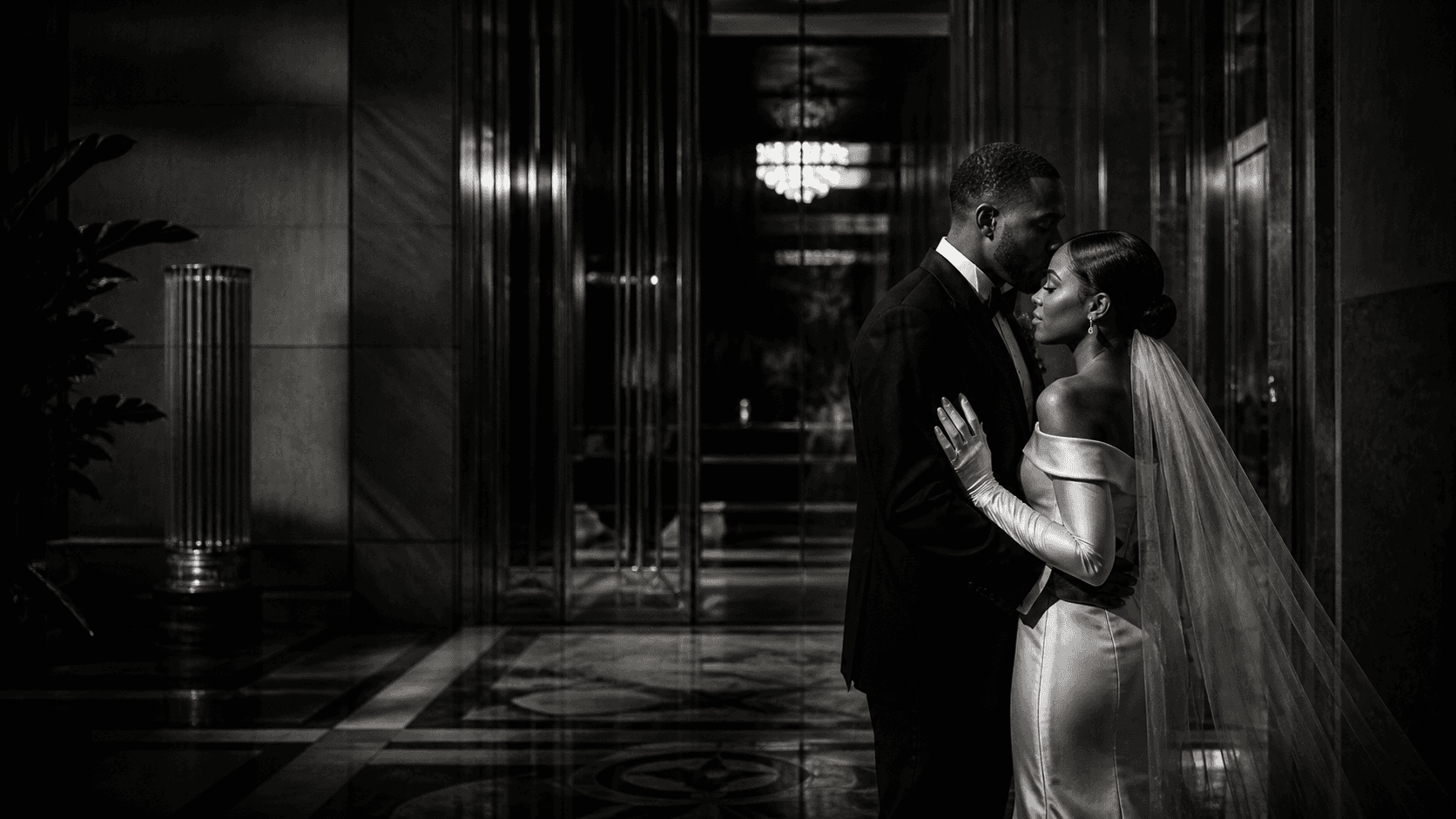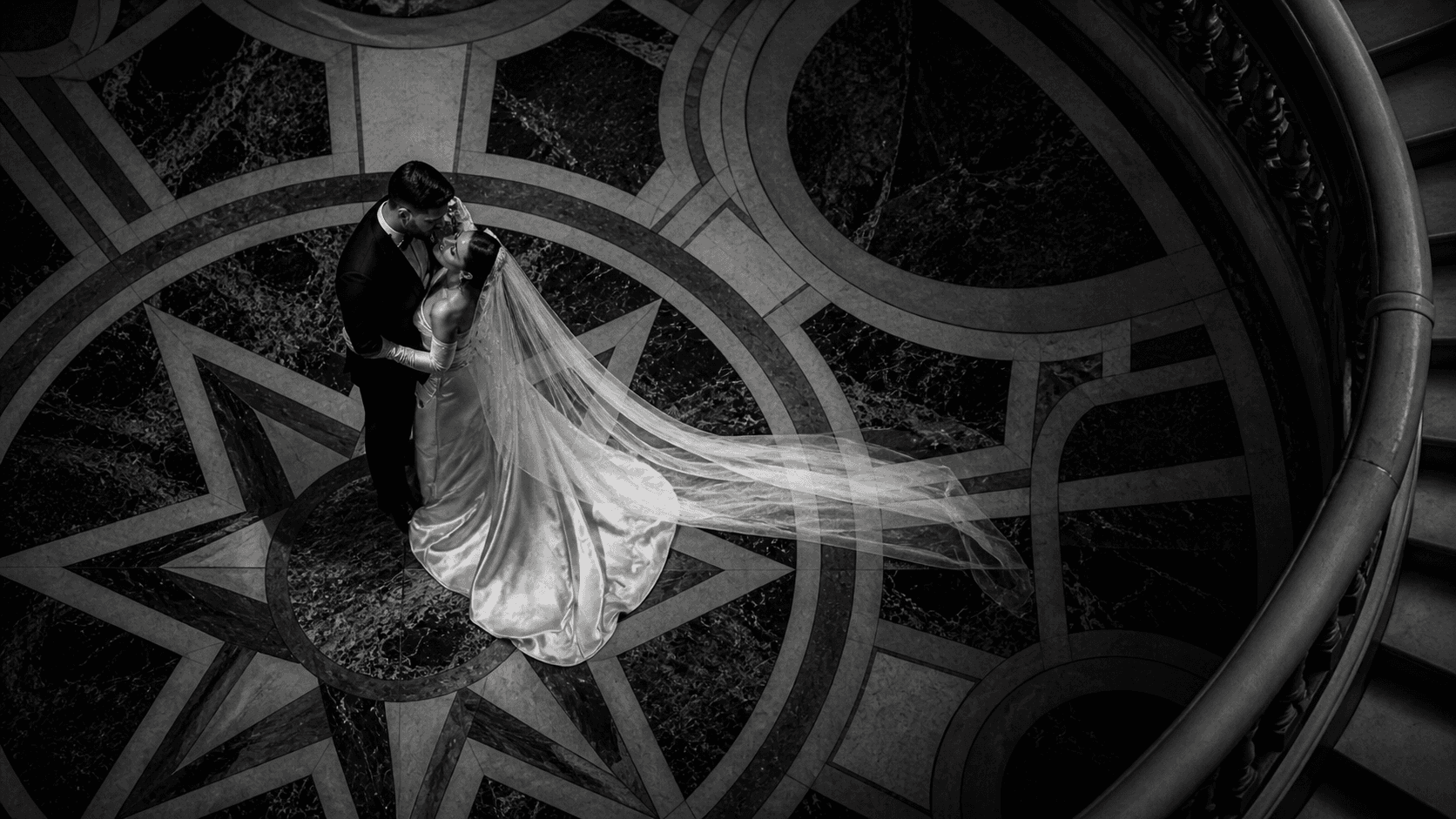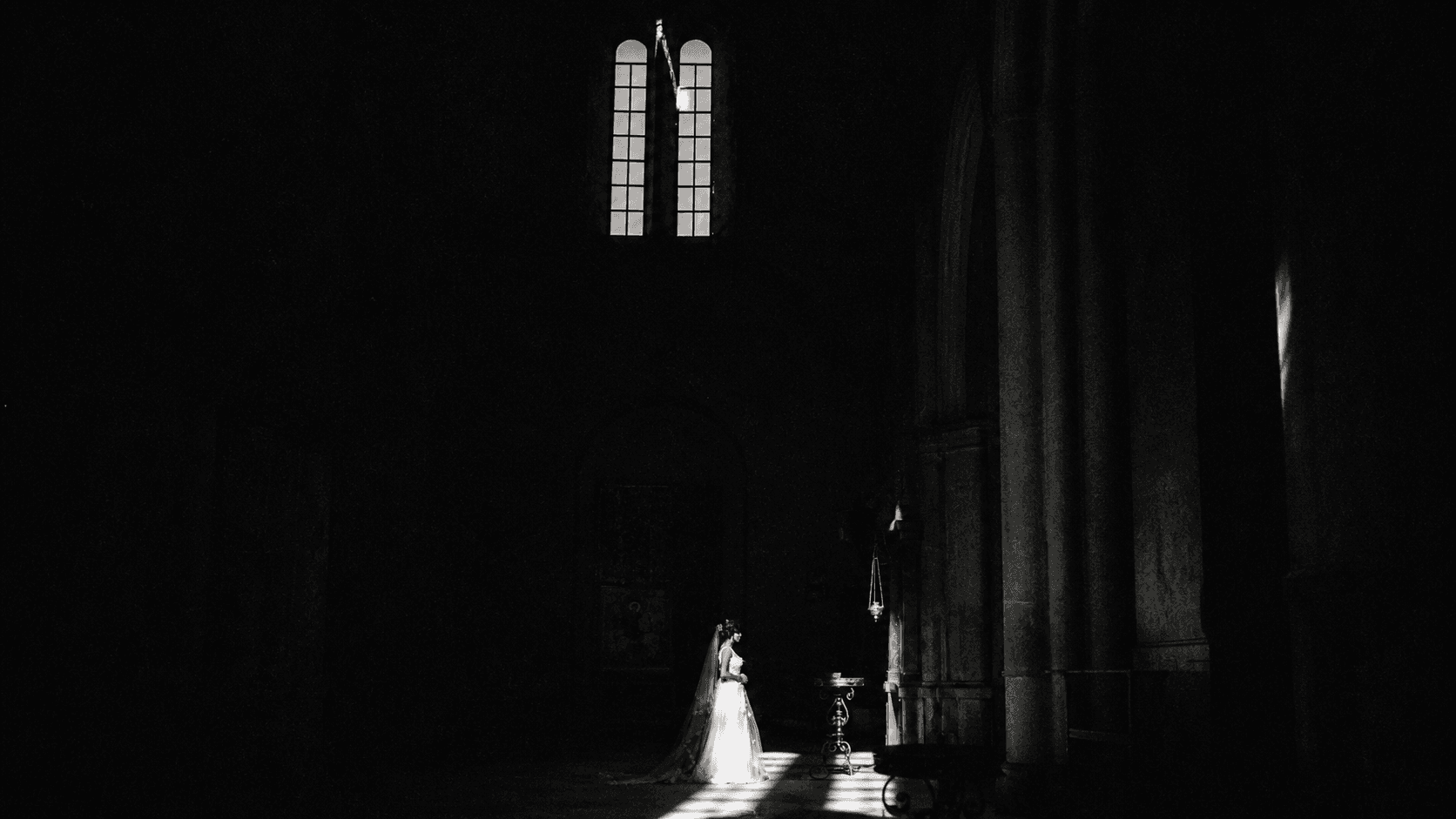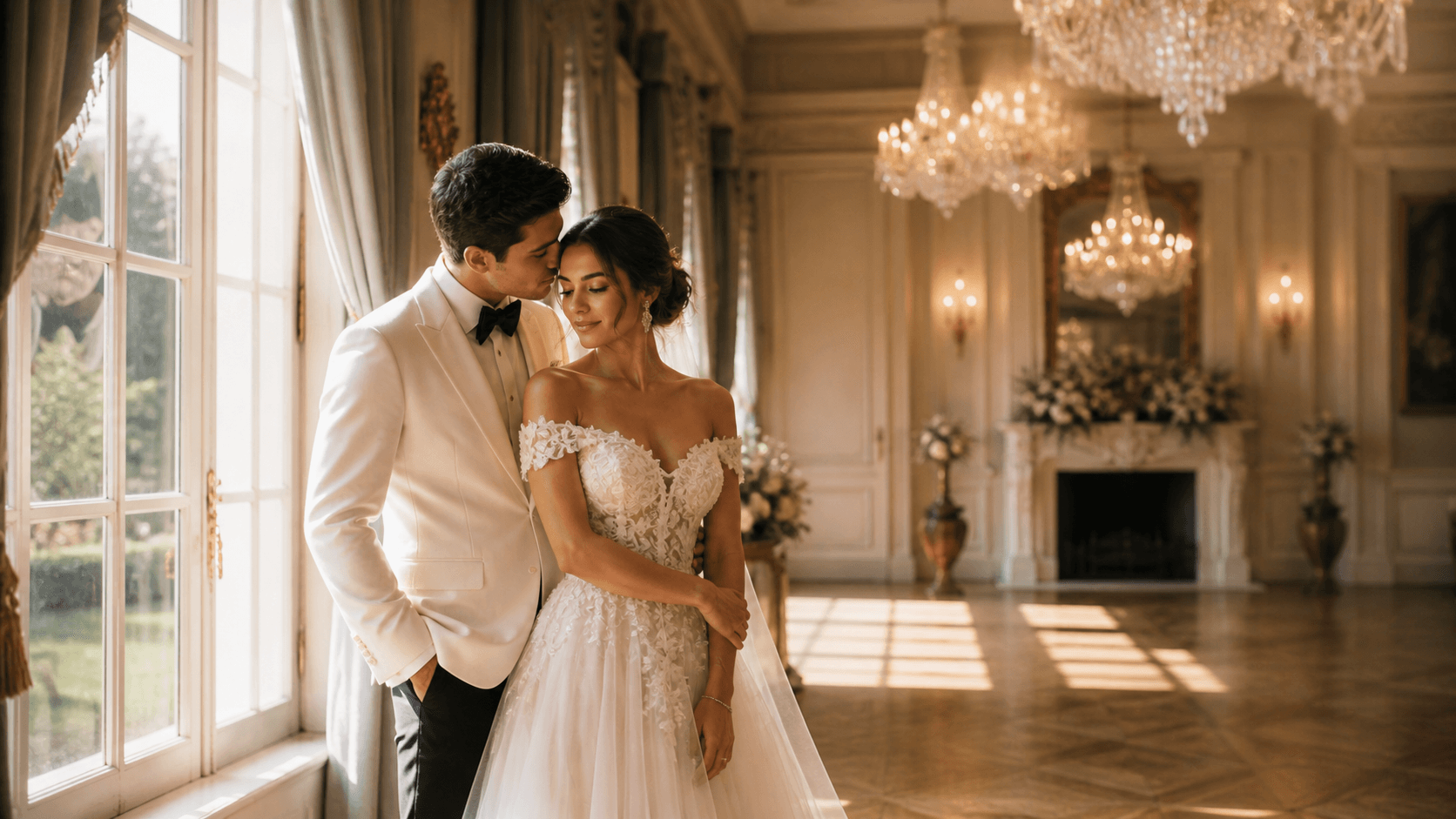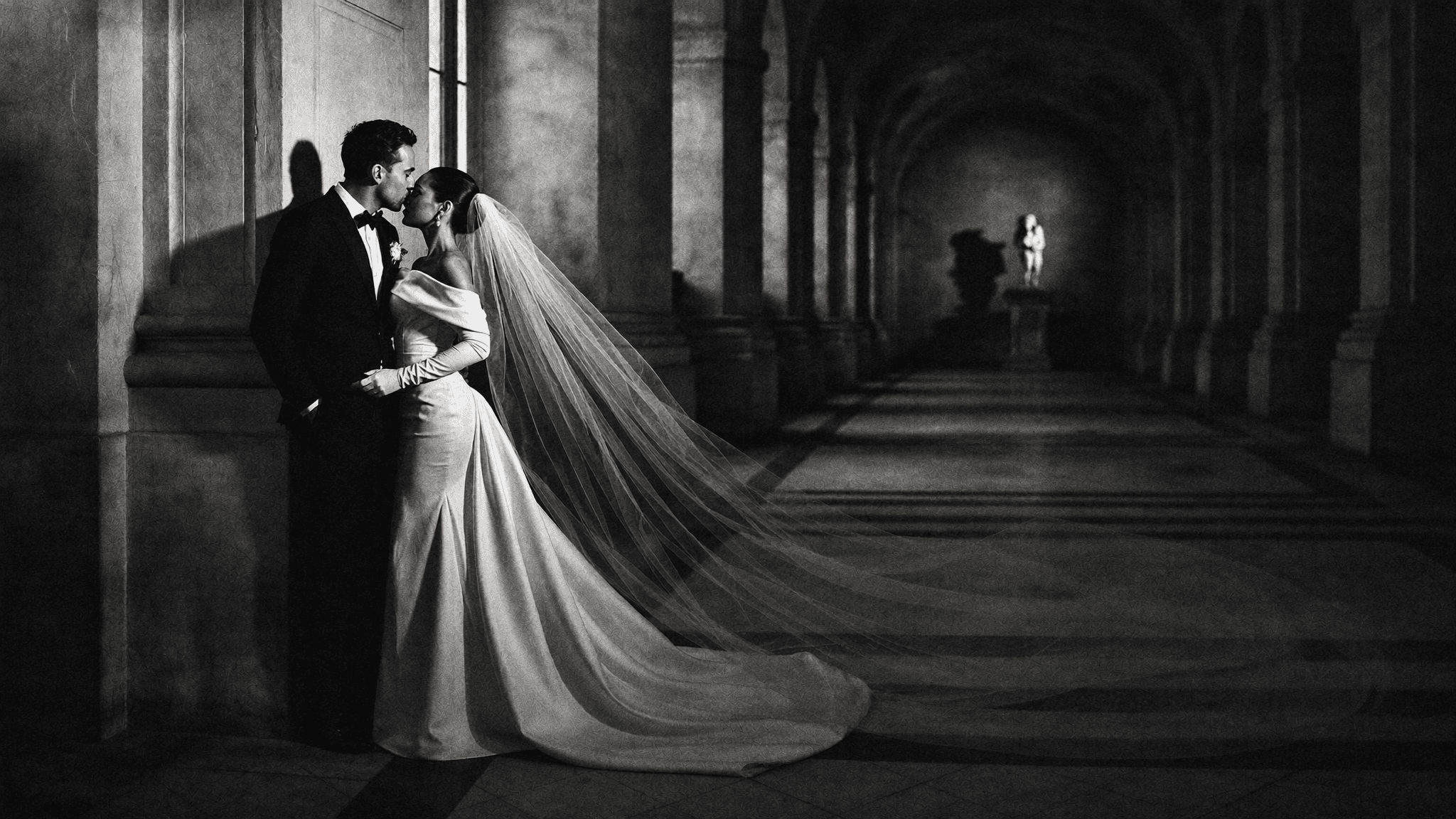
Documentary wedding photography — also called photojournalistic or candid wedding photography — means covering your day the way a skilled journalist would cover a story: by being present, being patient, and letting the moments happen rather than manufacturing them. In 2026, it is the most-requested style in wedding photography inquiries worldwide, and it has been trending that direction for several years.
But "documentary" is also one of the most overused words in photographer bios. Every photographer says they shoot "a mix of candid and posed." What that actually means in practice varies enormously. Here is how to read it correctly.
What Documentary Coverage Actually Looks Like
A true documentary approach means the photographer spends the majority of the day observing — not directing. They position themselves to anticipate moments, move quietly through the space, and make photographs of things that are genuinely happening rather than things they have arranged. The result is a gallery that reads like a film: sequential, emotional, and full of details and faces your posed photos would never capture.
The images that make people cry when they look at their galleries ten years later are almost always documentary images. Not the portraits. Not the tableaux. The photo of your grandmother watching you walk down the aisle. Your best friend's face during the speech. The moment before the first kiss when everything is still suspended.
Why It Feels More Timeless
Posing styles date. Preset looks date. The particular way photographers were directing couples in 2019 is already visible as "a 2019 wedding." Genuine documentary images, by contrast, are anchored to the people and the emotion rather than to a visual trend. They age the way great journalism ages: because they are records of something that actually happened, not constructions of something that looked good at the time.
How to Know If Your Photographer Actually Does It
Ask to see a full gallery from a wedding with similar conditions to yours. Look at how much of the gallery is unposed. Look at the coverage of the ceremony — are people's faces visible? Are there images of guests during emotional moments? Look at the getting-ready coverage — is it staged product photography of details, or actual moments of people interacting?
The ratio of observational to directed images in a full gallery will tell you everything about how a photographer actually works — more honestly than any artist statement will.
It Works Best With Some Editorial Structure
The best photographers in 2026 are not purists. They offer documentary coverage as the primary mode and layer in intentional portraiture — a deliberate portrait session, usually at golden hour, where the images are built rather than found. That combination gives you the emotional coverage you will return to for decades and the polished portraits you will frame.
Documentary wedding photography is not a lesser version of the posed approach. It is the harder version — it requires anticipation, patience, and a photographer who is genuinely present rather than managing a shot list. When it works, nothing else compares.
Destination Wedding Photographer
Medellín · Vancouver · Worldwide