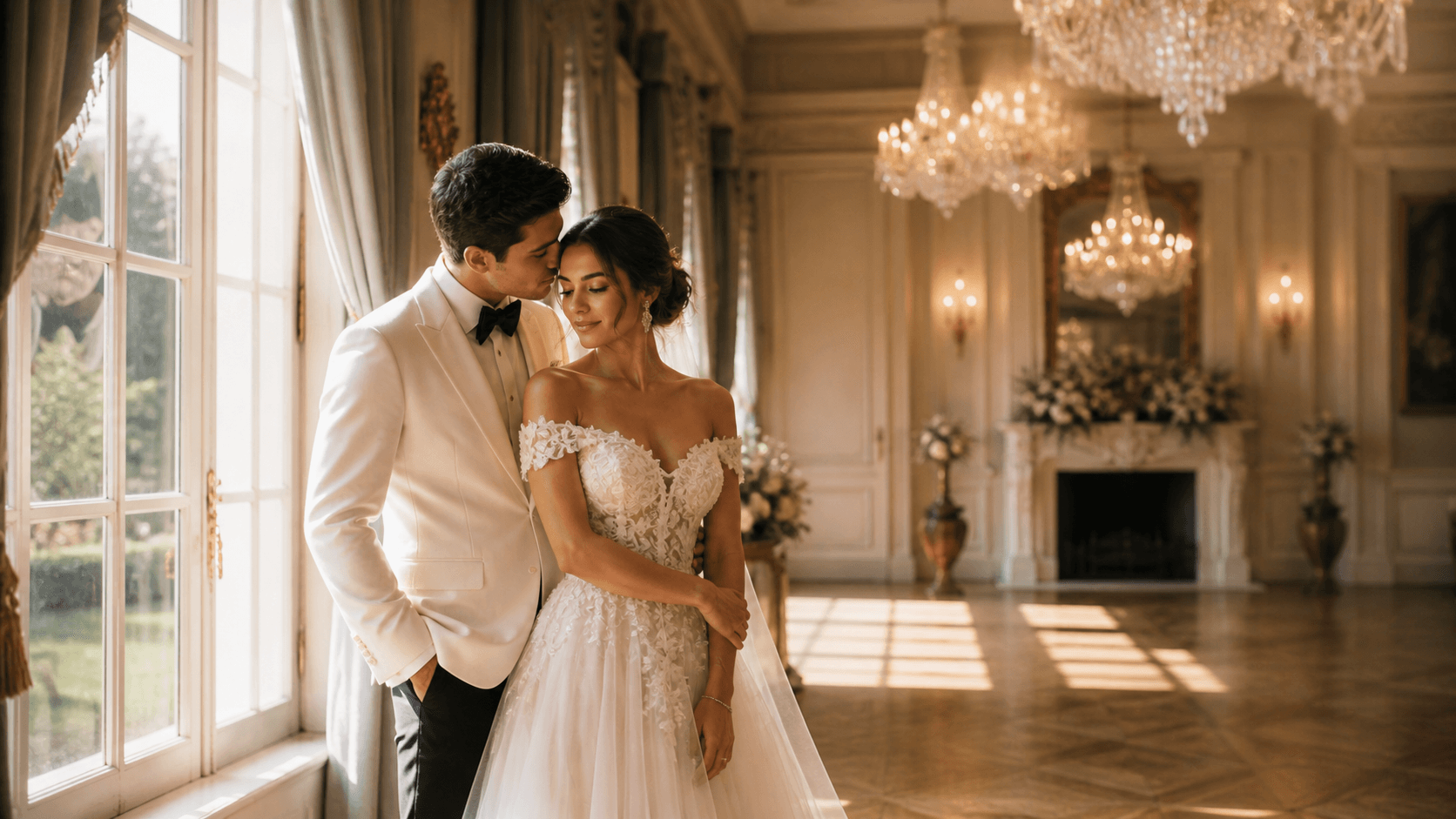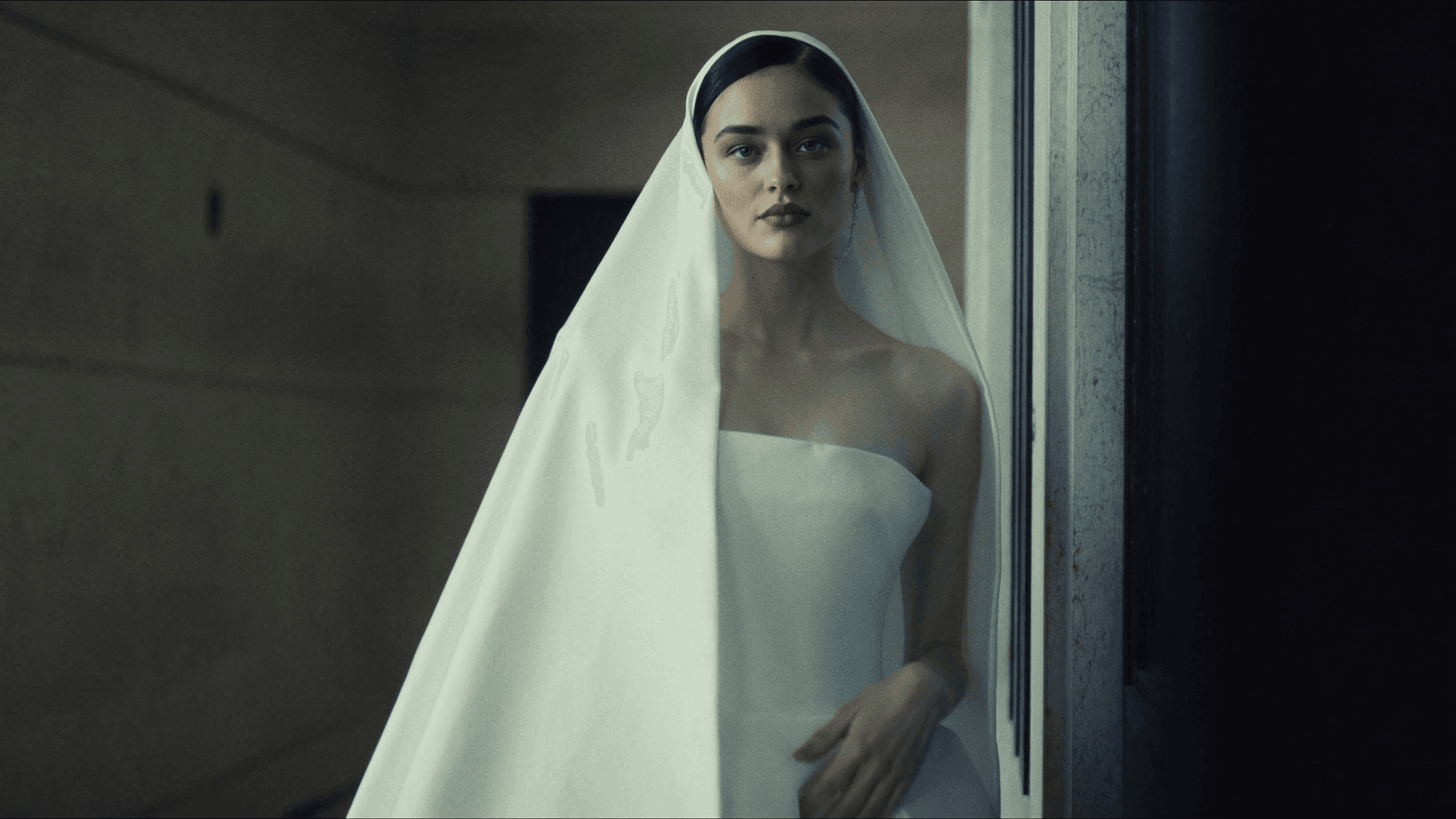
Motion blur in wedding photography is not new. Long exposures, dragged shutters, and intentional camera movement have been part of the photographic vocabulary for as long as cameras have existed. What is new in 2026 is that couples are specifically requesting it — pulling up references on their phones during consultations and saying, "I want something that looks like this."
That is a good instinct. Used intentionally, motion blur communicates something sharp images cannot: energy, joy, the feeling of a moment that was actually in motion rather than frozen and framed. The question is whether your photographer knows how to do it deliberately — or whether they occasionally get lucky.
When Motion Blur Works
The first dance is the obvious candidate. A long enough exposure — half a second, a second — lets the movement of two people actually register on the sensor while the available light in the room creates something that looks genuinely cinematic rather than under-lit. The couple becomes a presence, slightly abstract, surrounded by the warm smear of reception lighting. It can be extraordinary.
The same technique works for the walk down the aisle when the procession is moving, for crowd moments during the ceremony or speeches, and for any point in the day where there is genuine movement and the light allows a slower shutter. The spin of a dress. The rush to the car after the ceremony. The improvised group dancing that happens after midnight when no one is being formal anymore.
When It Does Not Work
Motion blur breaks down when it is used as a workaround rather than an intention. A blurred image that is blurred because the photographer could not get a sharp shot in low light is not the same as a blurred image that was designed that way. You can usually tell: the first looks like a missed opportunity, the second looks like a decision.
The subjects also need to have actually been moving. Blur applied to a still moment just looks like camera shake. The technique requires genuine kinetic energy in the frame — which means the photographer needs to time the exposure to a moment when something is actually happening.
Is It Timeless or a Trend?
Honest answer: both, depending on how it is done. Motion blur as a technique is as old as photography. Motion blur as a specific Instagram aesthetic — over-applied, low-light drag on everything including quiet moments — will date exactly as quickly as any other over-applied trend. The photographers doing it well in 2026 are using it sparingly and deliberately, as one visual language among several rather than as a signature applied to the whole gallery.
What to Ask Your Photographer
Ask them to show you examples of motion blur from real weddings — not test shoots. Ask them what shutter speeds and conditions they typically use. If they cannot answer specifically, the images may be occasional accidents rather than reliable technique. The best practitioners of this style can explain exactly how they get those images and when in the day they plan to create them.
Used right, a handful of motion images in a gallery of otherwise sharp documentary work is some of the most compelling wedding photography being made right now. The goal is intention — not blur for its own sake, but blur because something was actually moving and you wanted that movement to show.
Destination Wedding Photographer
Medellín · Vancouver · Worldwide