If you have spent time researching wedding photographers in 2026, you have seen both words used constantly: editorial and documentary. They appear in bio after bio, often in the same sentence. But they describe fundamentally different ways of working — and choosing a photographer without understanding the difference means you may end up with a gallery that does not match what you imagined.
What Editorial Wedding Photography Actually Means
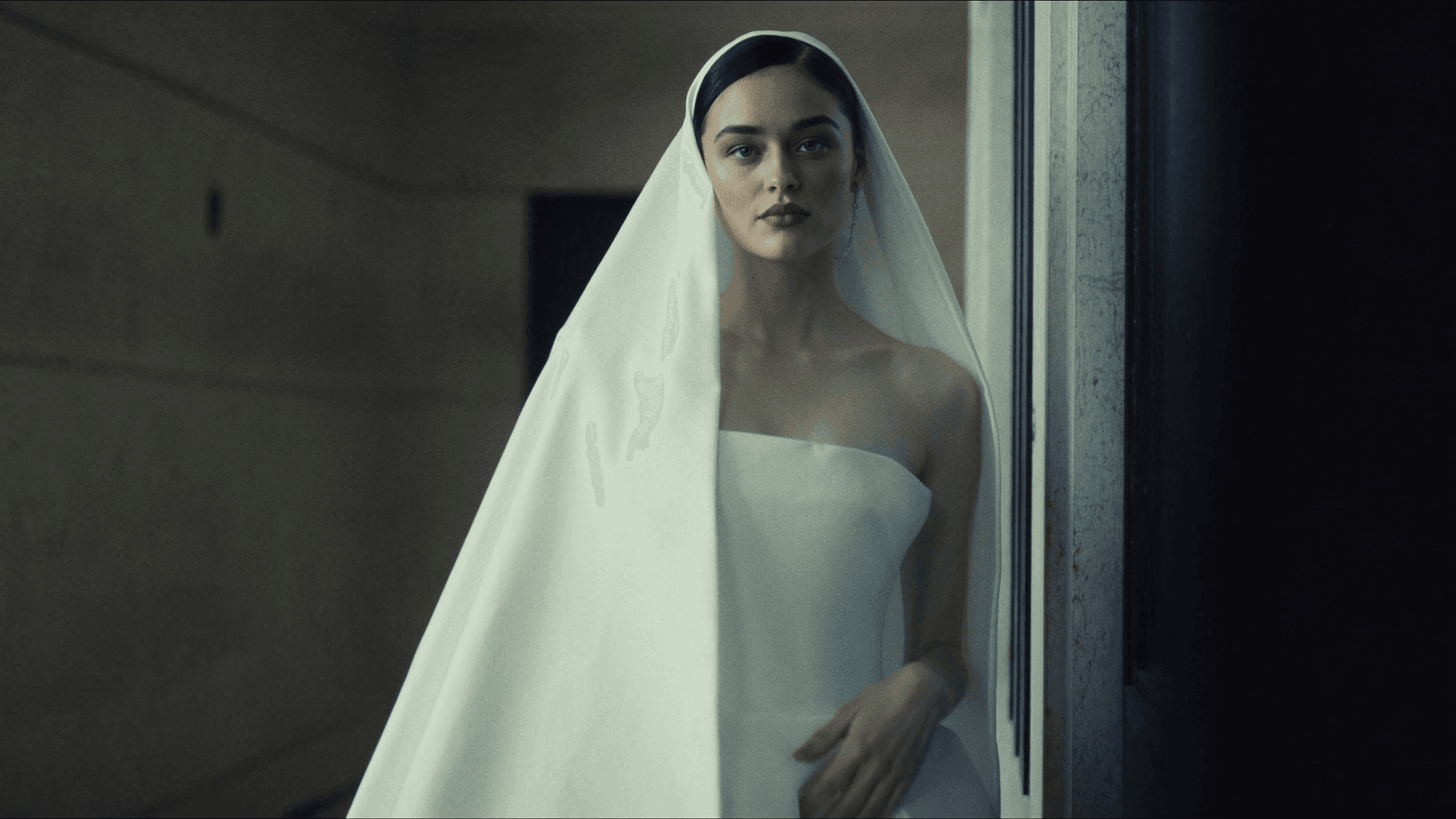
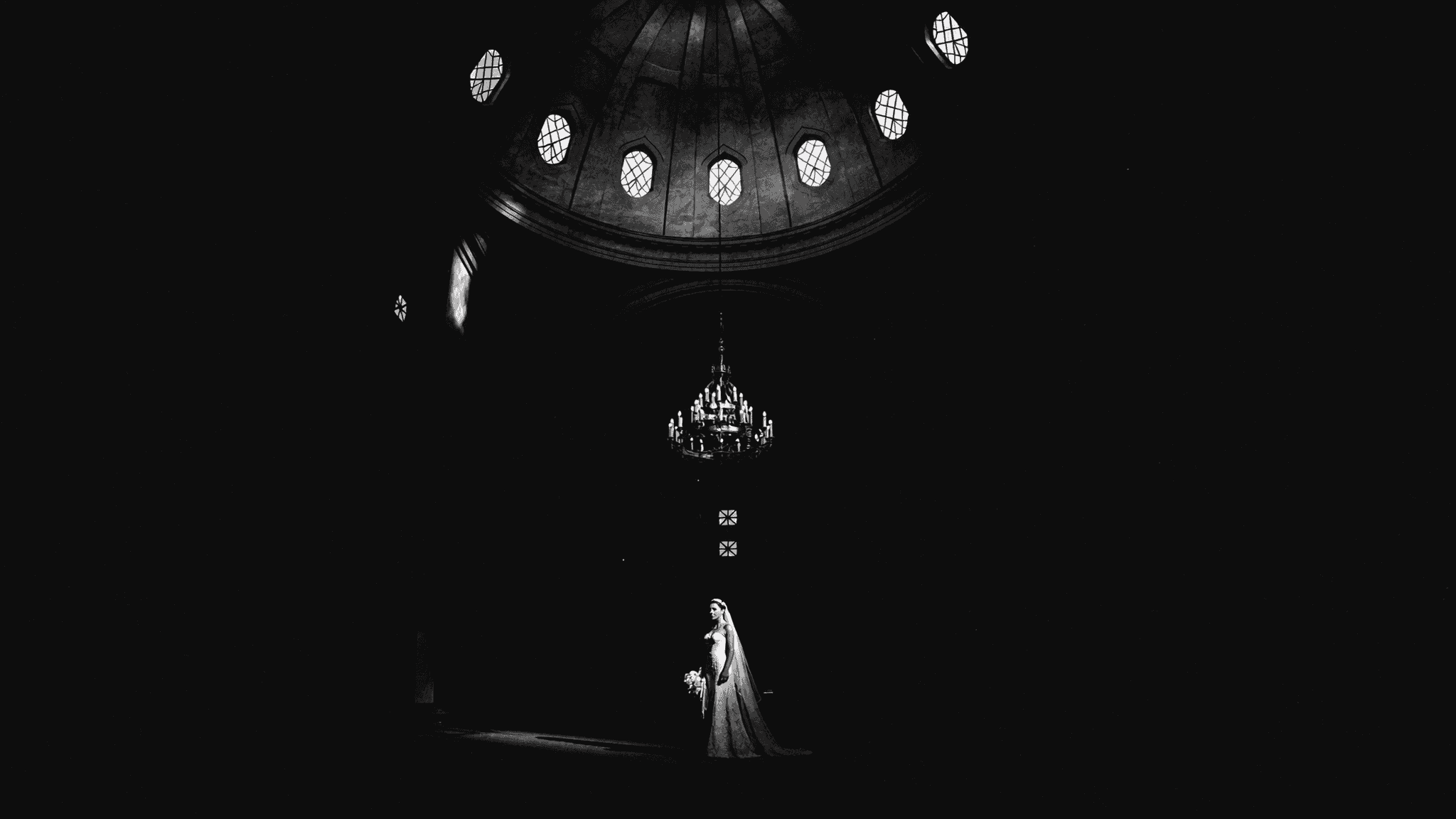
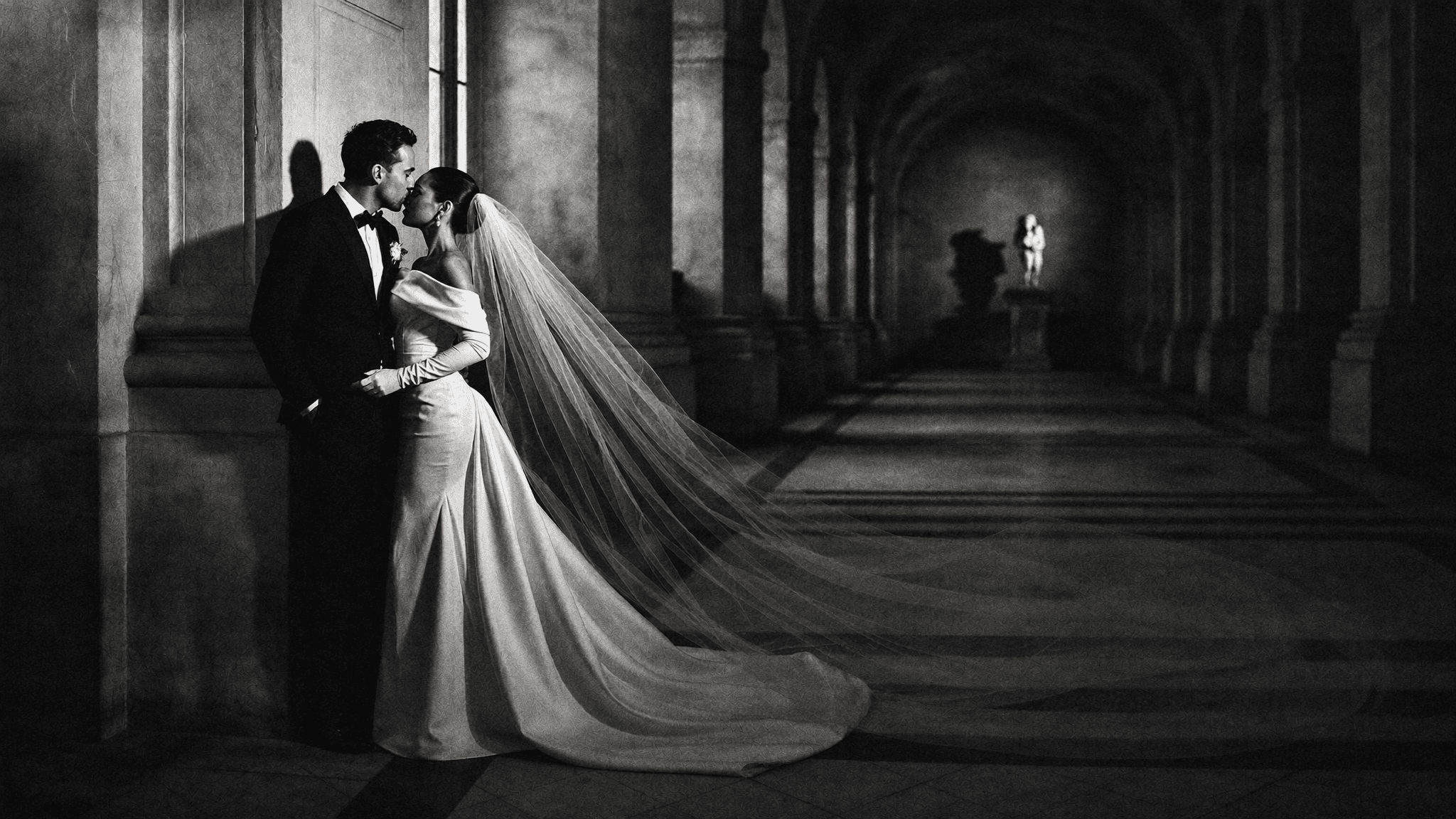
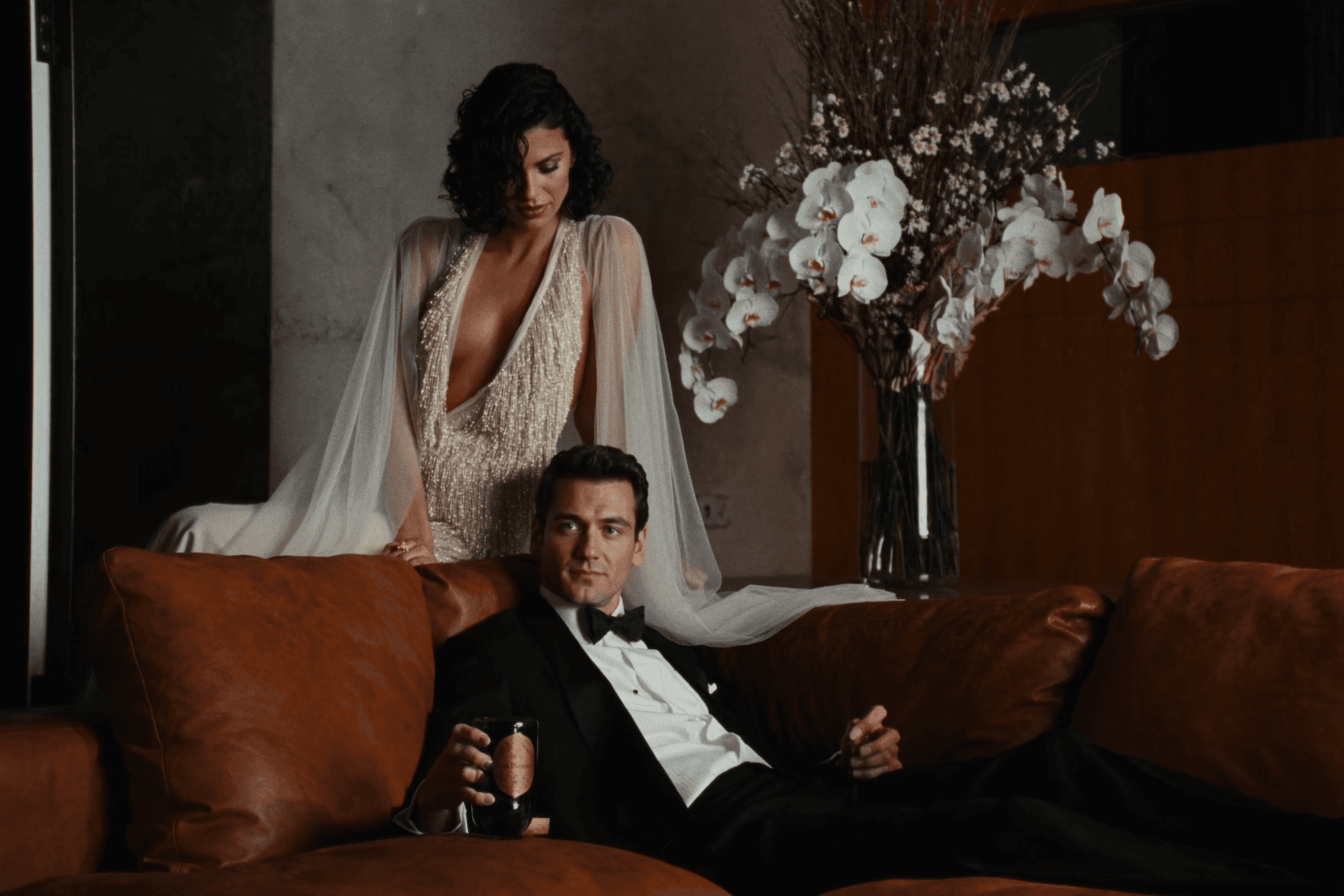
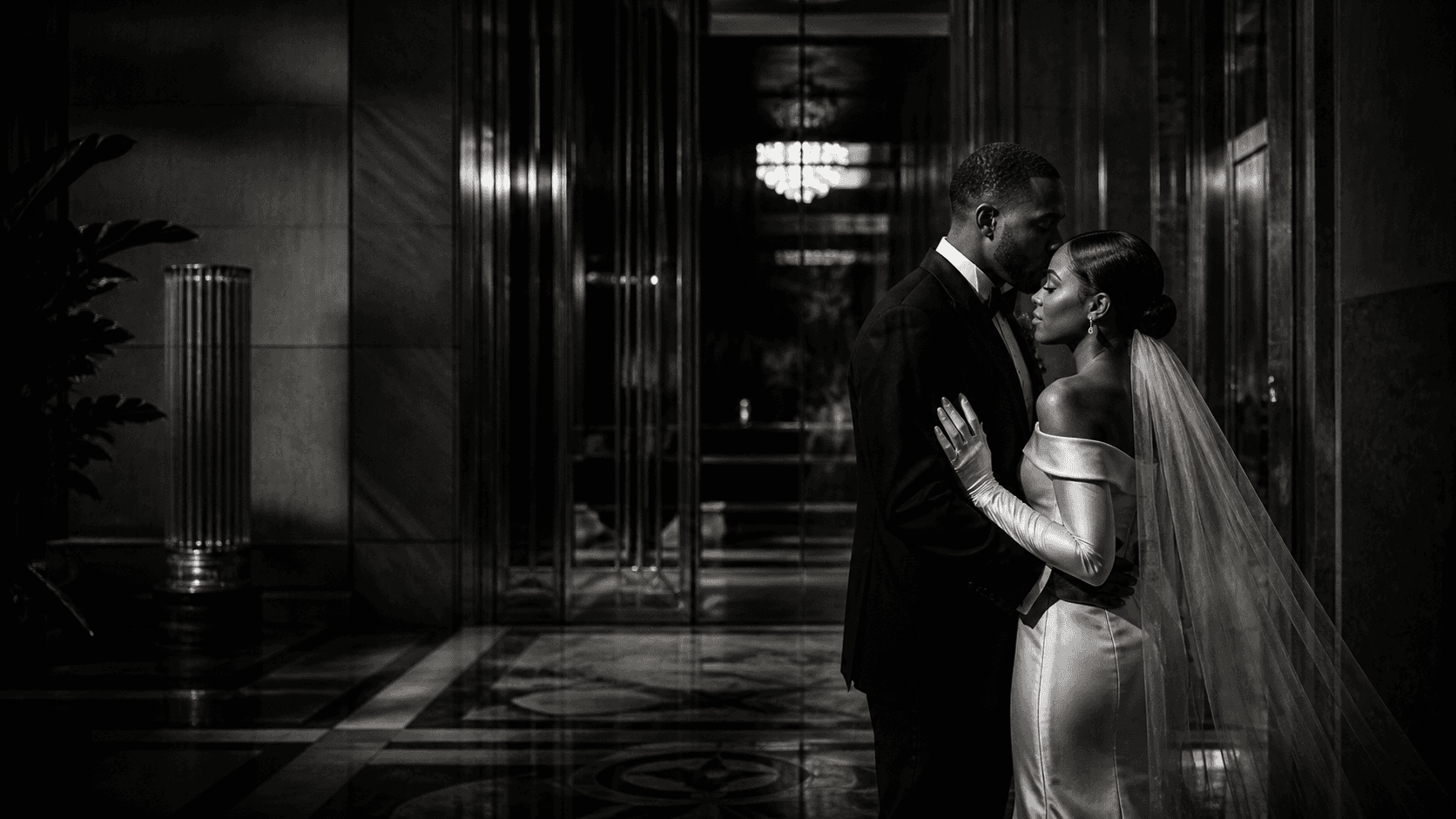
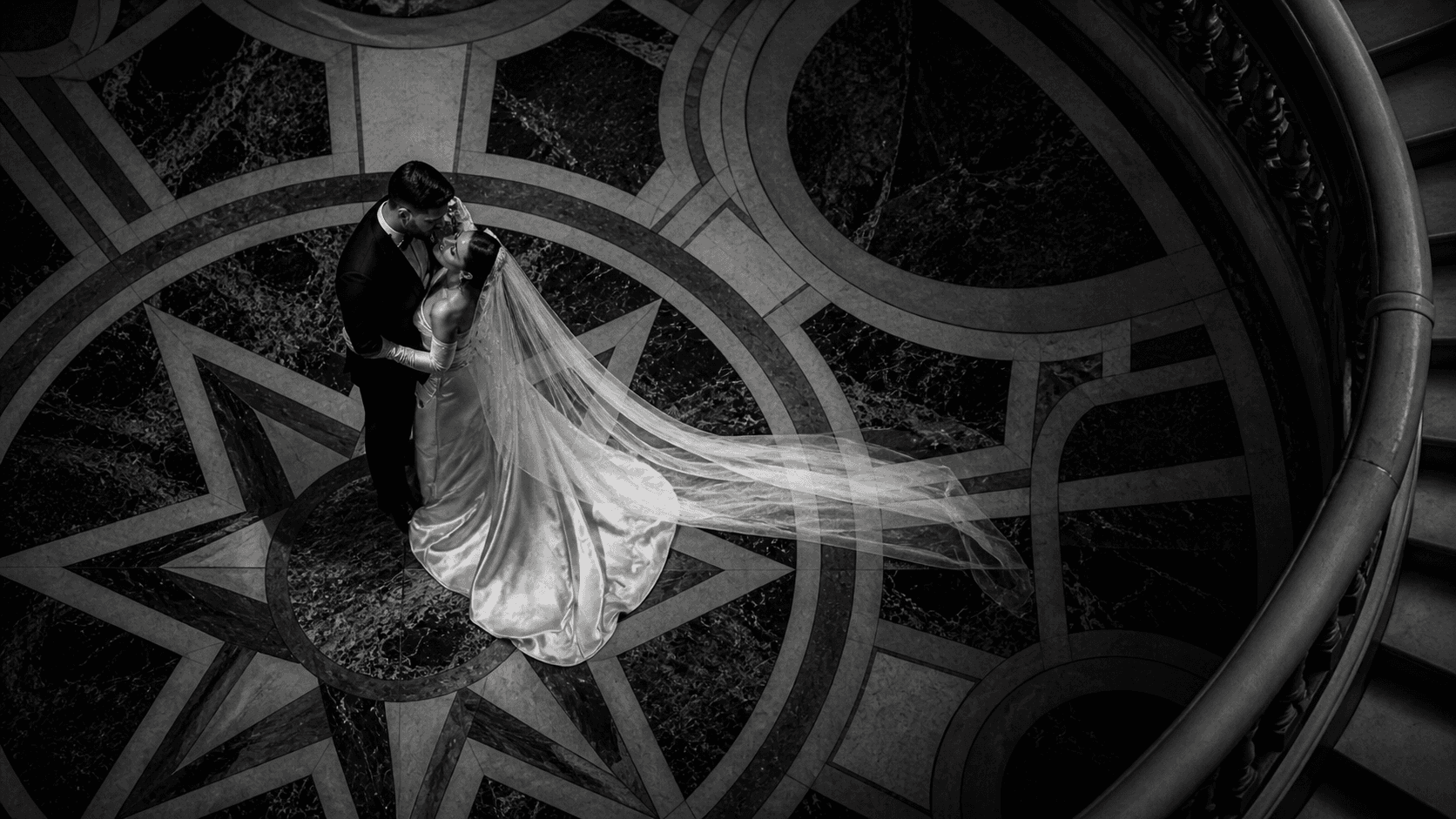
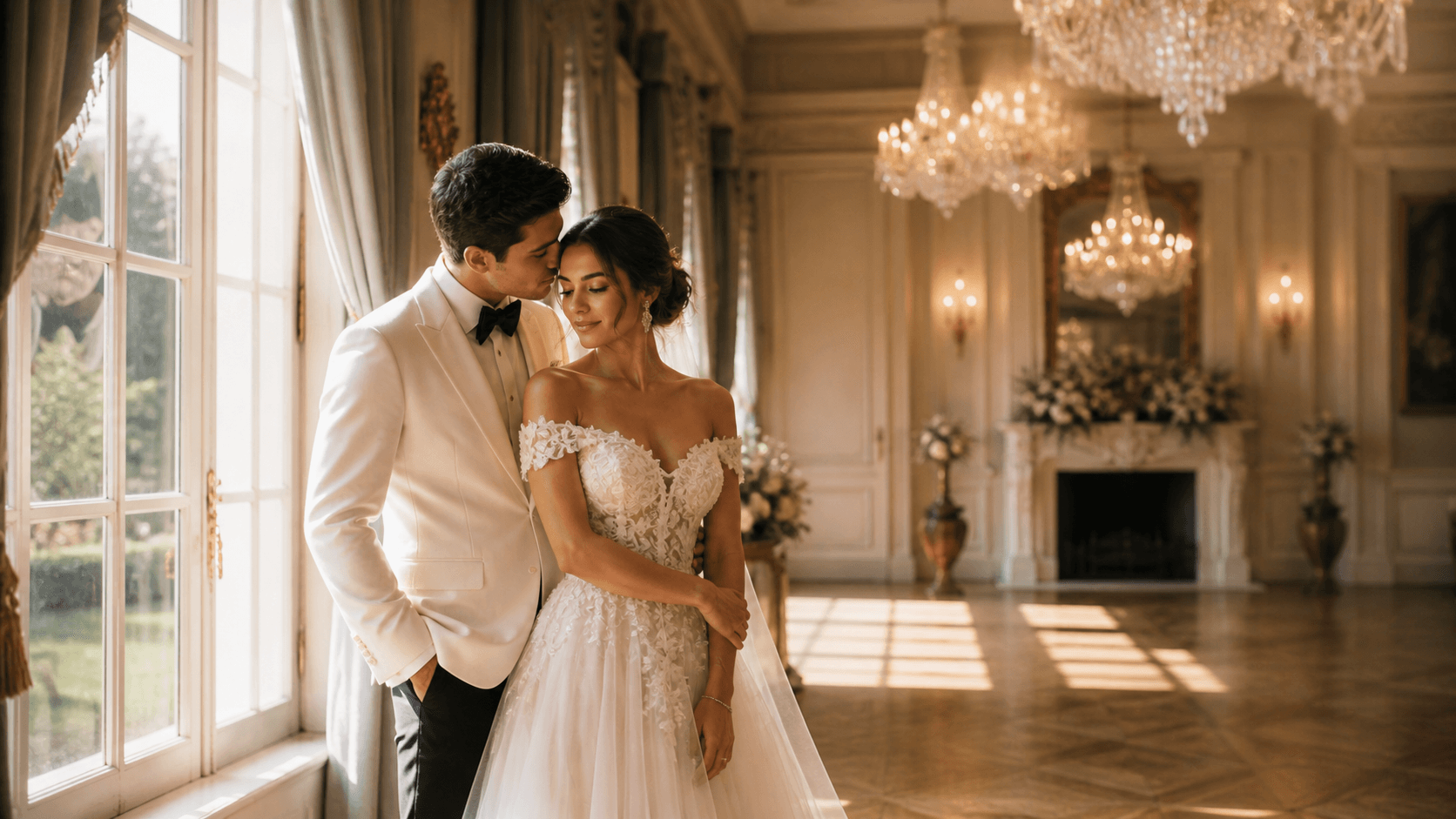
Editorial photography is built. The photographer has a vision for the image before it is taken — a composition, a use of light, a relationship between the subject and the environment — and they direct you into it. The term comes from fashion and magazine photography: Vogue-style, graphic, intentional. The results are striking, polished, and genuinely beautiful. They look designed.
An editorial portrait session typically means the photographer is working with you for 30 to 60 minutes in a chosen environment, directing your movement and position, finding the architectural lines and light that serve the image they are building. The images are strong, distinctive, and show well. They are also, by definition, constructed rather than captured.
What Documentary Wedding Photography Actually Means
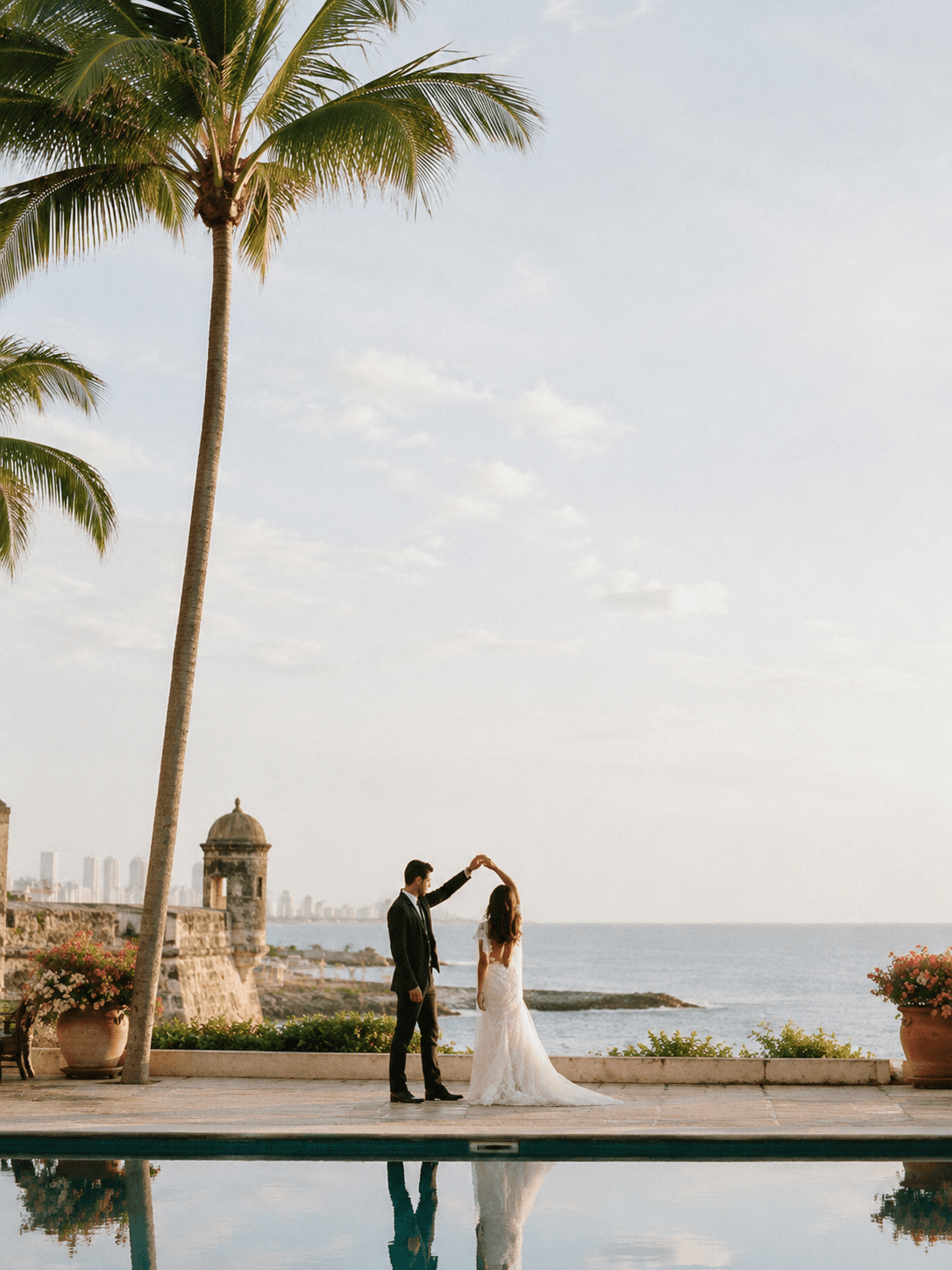
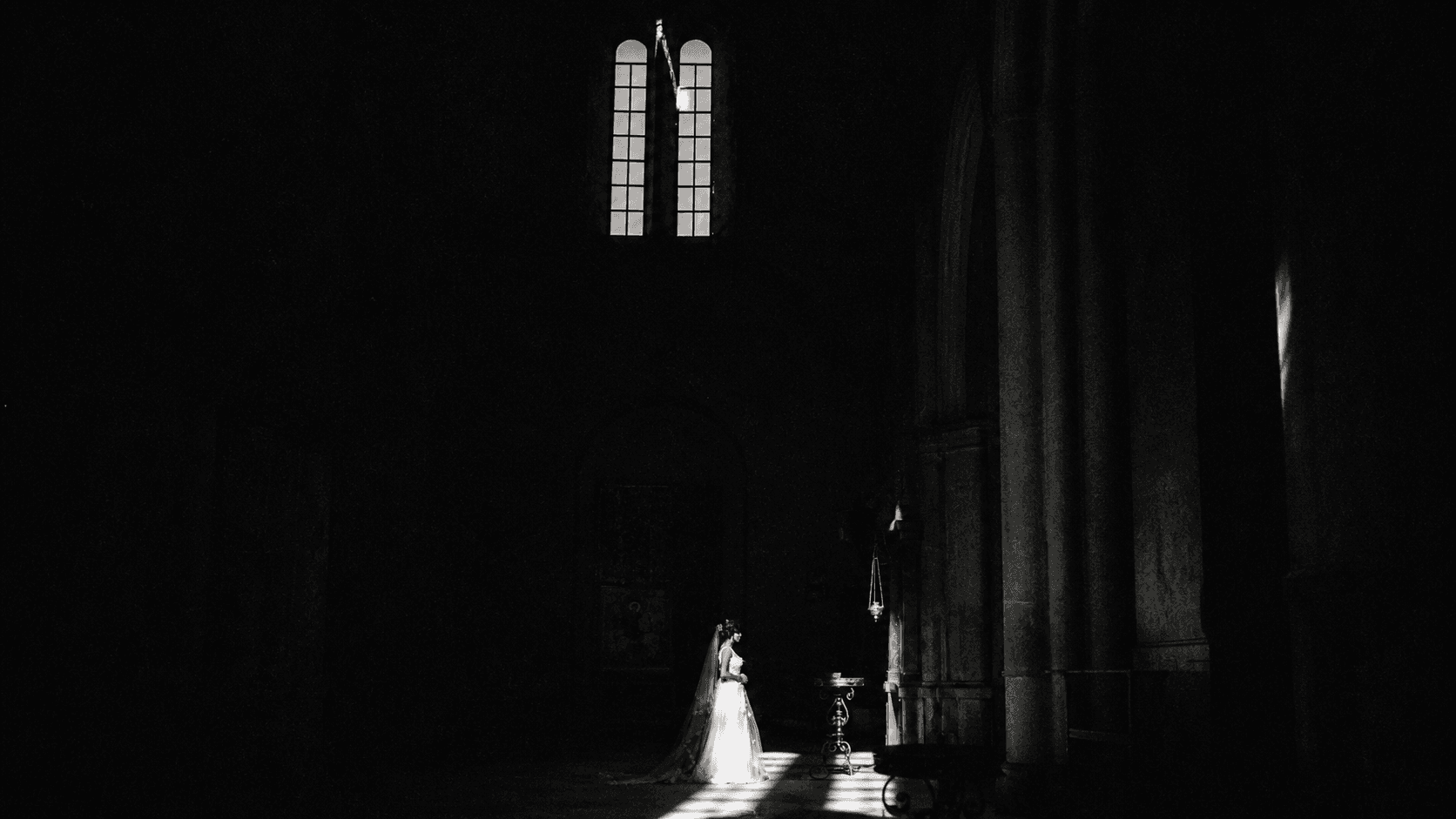
Documentary coverage is found, not built. The photographer is an observer — anticipating, positioning, waiting. They are not directing your expression or arranging your bodies; they are watching the room for the moment when something genuine happens and being in the right place to record it. The images feel immediate and emotionally specific in a way that directed images usually do not.
A skilled documentary photographer is invisible. Your guests do not feel them. The moments they capture would have happened whether or not the camera was there — which is exactly the point. The record is of something that was actually occurring, not of something that was staged for the lens.
The Key Differences, Side by Side
Control: Editorial = the photographer directs. Documentary = the photographer observes.
Outcome: Editorial = striking, magazine-quality portraits. Documentary = emotionally true, irreplaceable candid moments.
What it requires from you: Editorial = willingness to be directed and some comfort in front of the camera. Documentary = nothing — just being present in your own day.
What it cannot do: Editorial cannot capture genuine surprise, grief, laughter, or any unrepeatable moment. Documentary cannot produce a polished, composed portrait without some direction.
The Truth: Most Couples Want Both
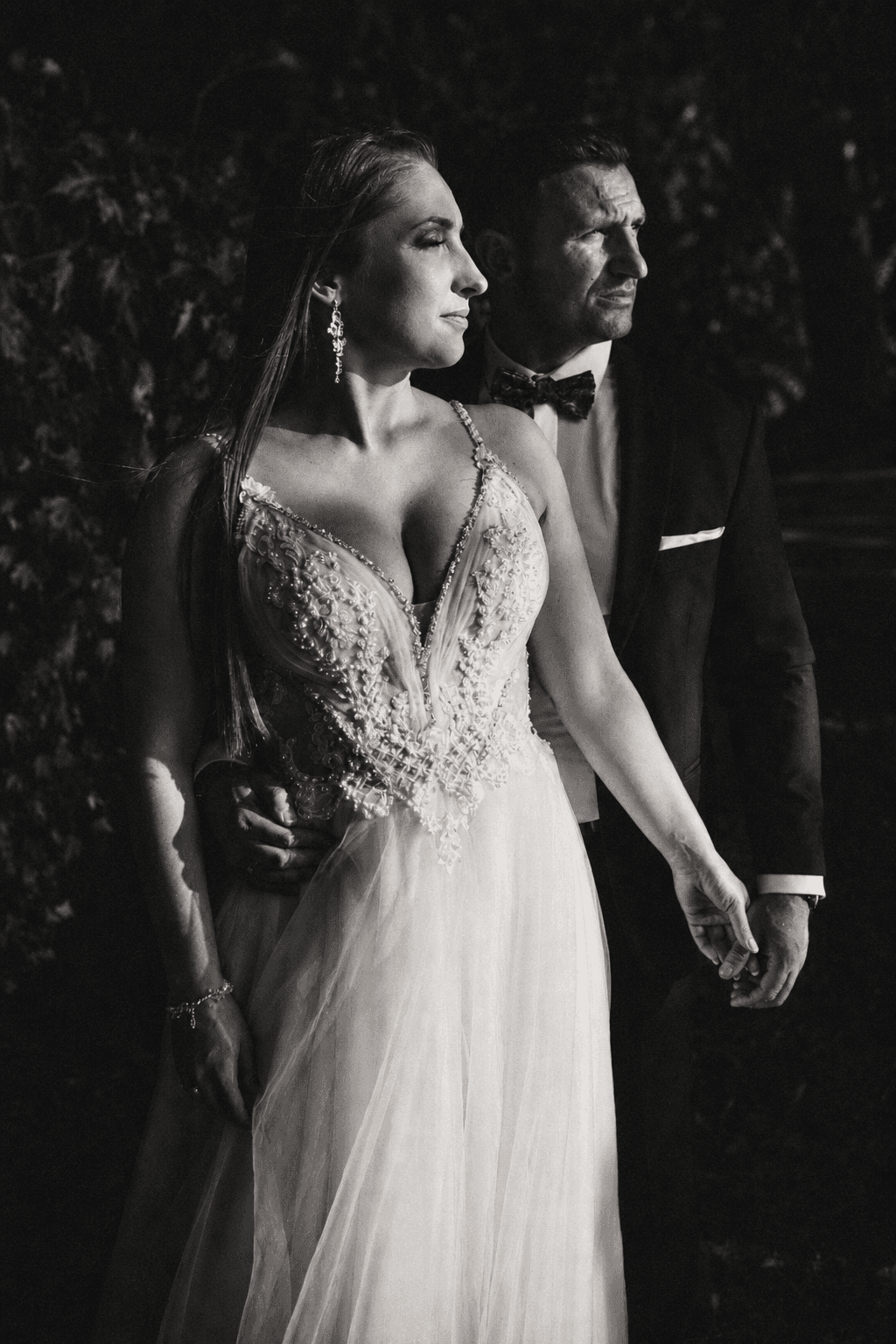
The photographers doing the most compelling work in 2026 are doing both, in sequence. Documentary coverage runs throughout the day — ceremony, getting ready, reception, all of it observed rather than staged. Then there is a dedicated portrait session, usually at golden hour, that is explicitly editorial: time to build something deliberately with the light and the architecture.
The result is a gallery with two registers. The documentary images are where the feeling lives — the images people cry over at the ten-year anniversary. The editorial portraits are the ones framed on the wall. Both are necessary. Neither alone is sufficient.
Which Fits Your Wedding?
If your wedding is intimate, emotionally charged, and happening in a space with genuine character — a family home, a small chapel, a restaurant full of people who love each other — documentary coverage will serve you extraordinarily well. The moments will be there. The photographer just needs the skill to find them.
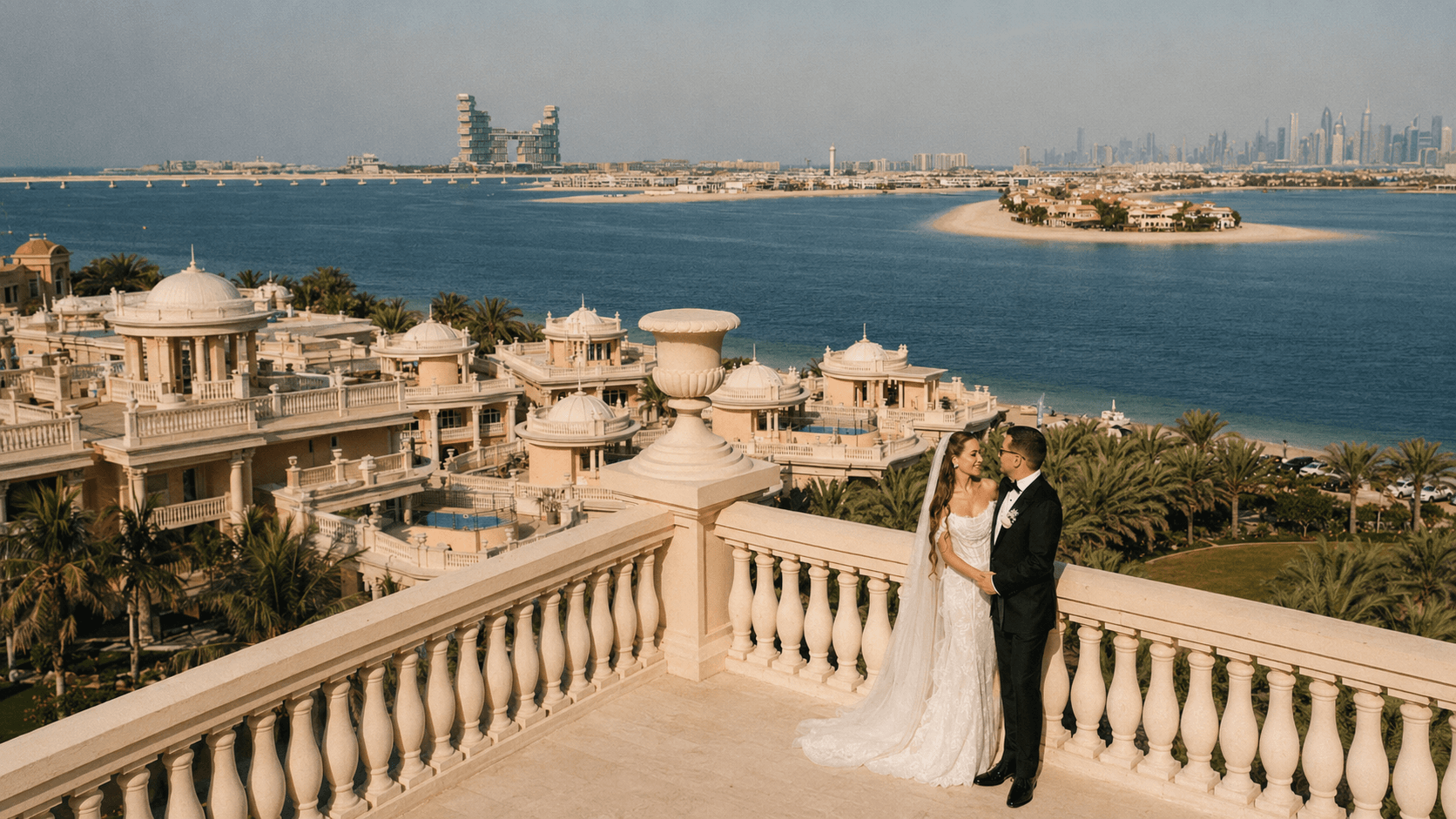
If your wedding is at a visually spectacular venue and you want to use that environment seriously in your portraits — if you want images that look like they could run in a magazine — editorial portraiture is essential and worth protecting time for in your schedule.
Most honestly: tell your photographer what you want the gallery to feel like in ten years. That answer will guide everything else.
Destination Wedding Photographer
Medellín · Vancouver · Worldwide